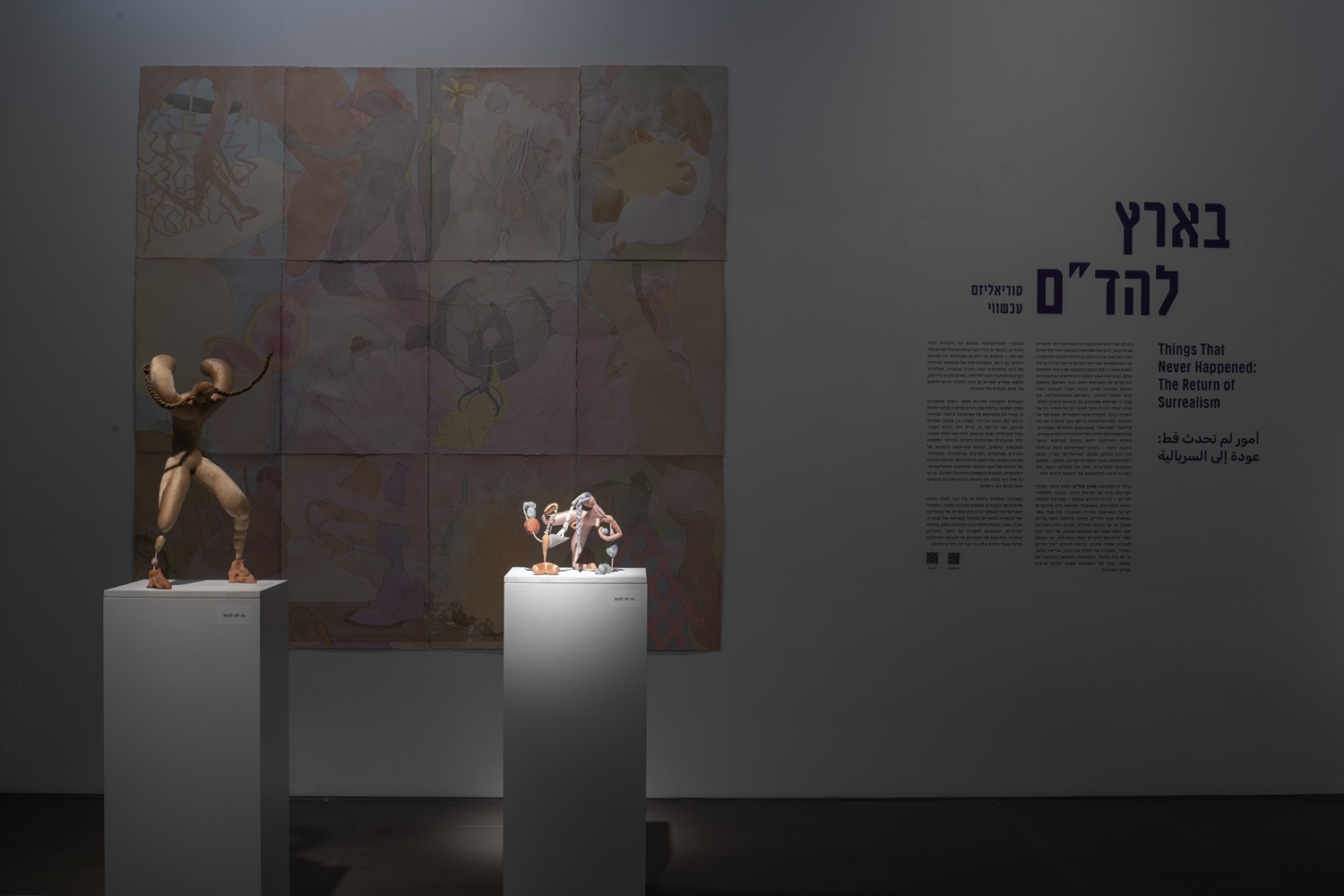
Things That Never Happened: The Return of Surrealism (mentoring project)
Forum Givon
July 10-25, 2025
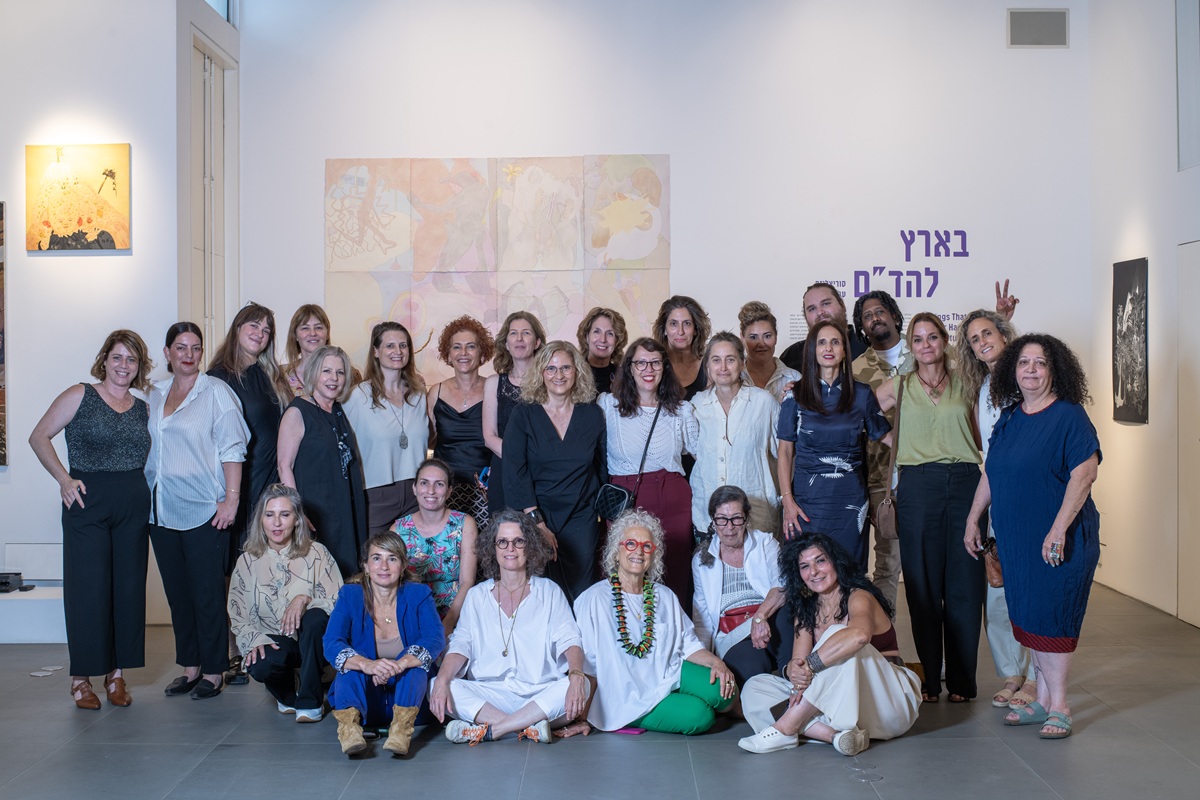
The fourth graduation project of the Yona Fischer Program for Curatorial Studies and Museology of the Institute for Israeli Art of the Academic College of Tel Aviv-Jaffa, run by Idit Amichai, guided by me and Osnat Zuckerman Rechter.
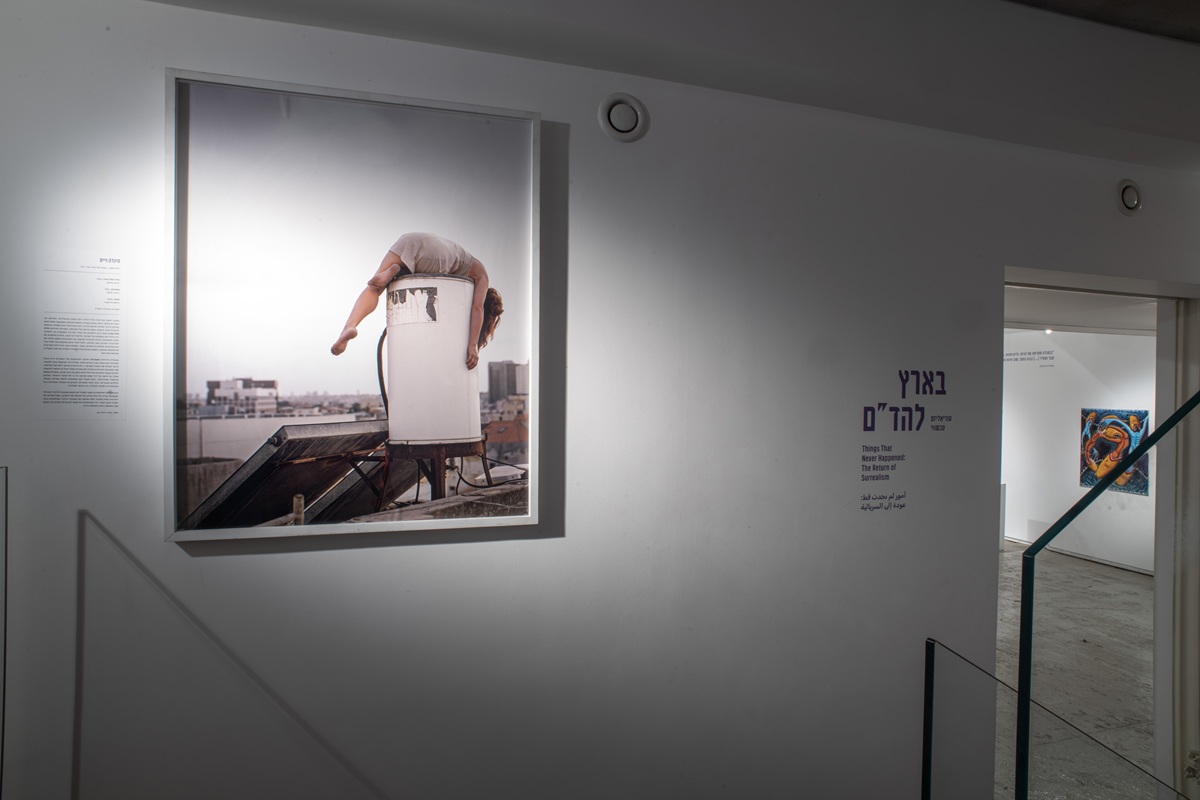
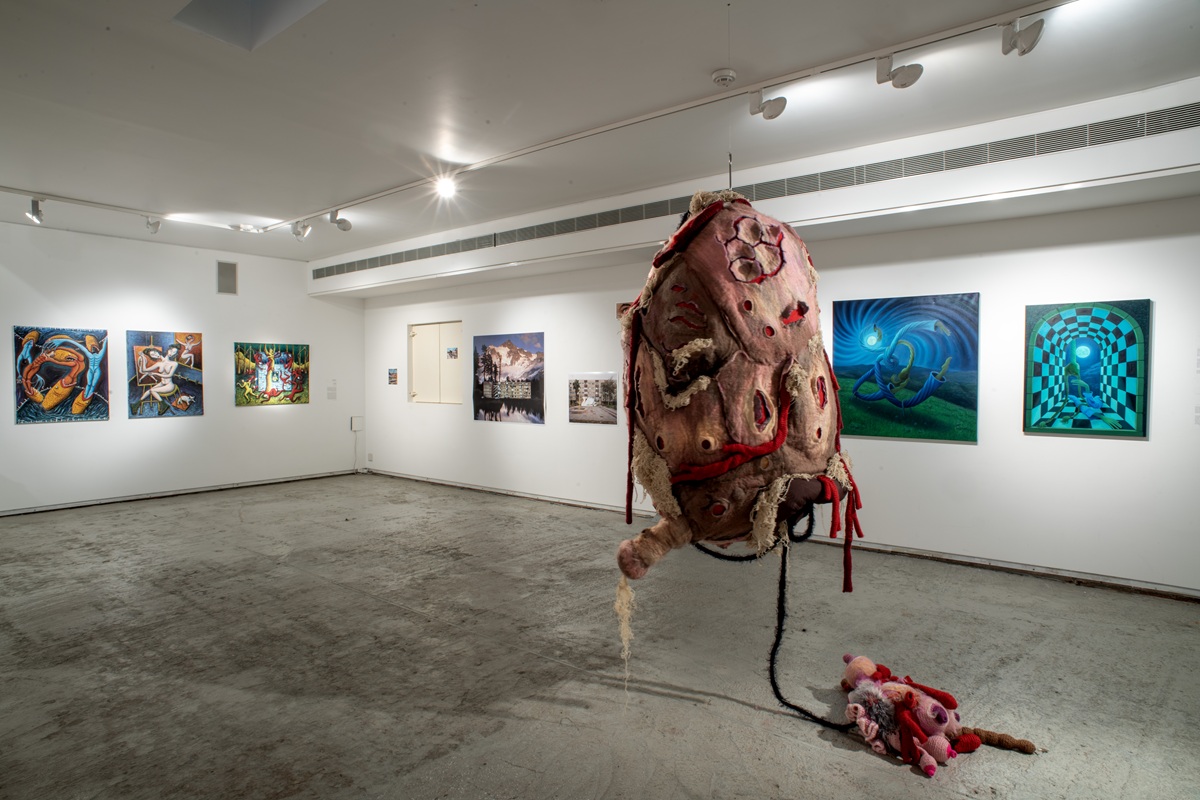
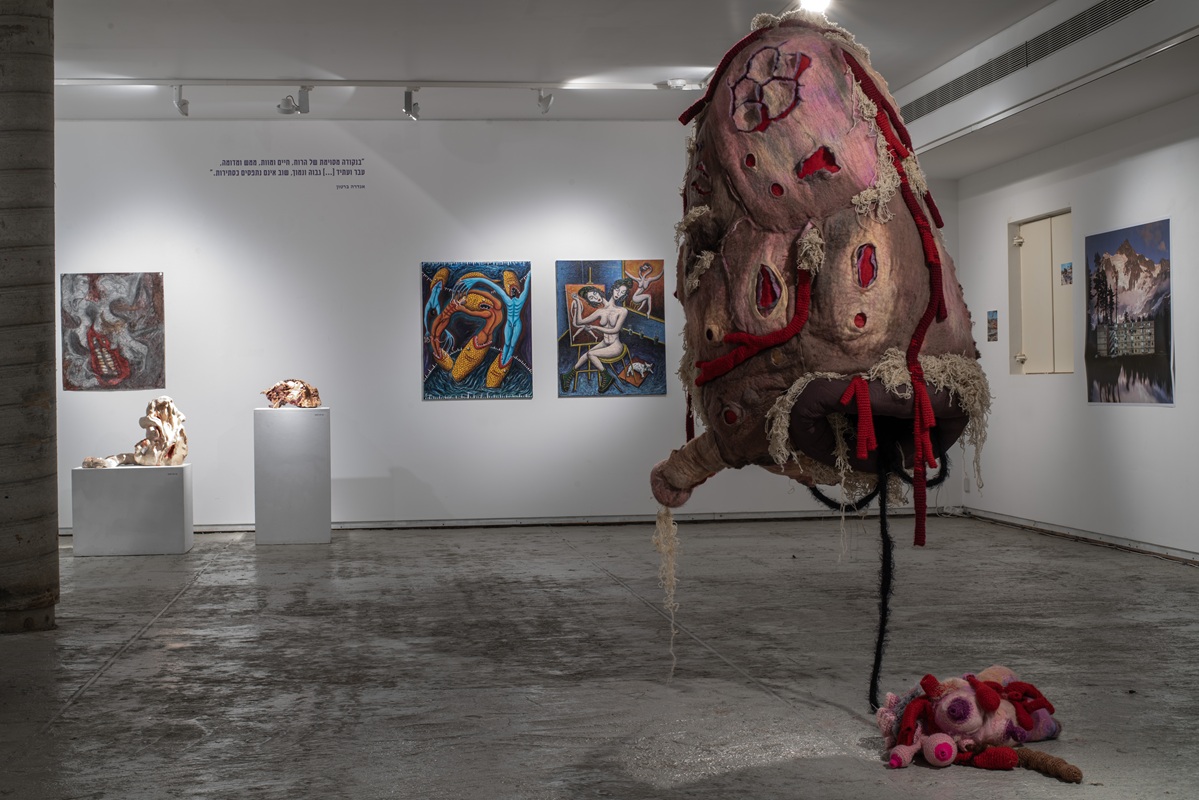
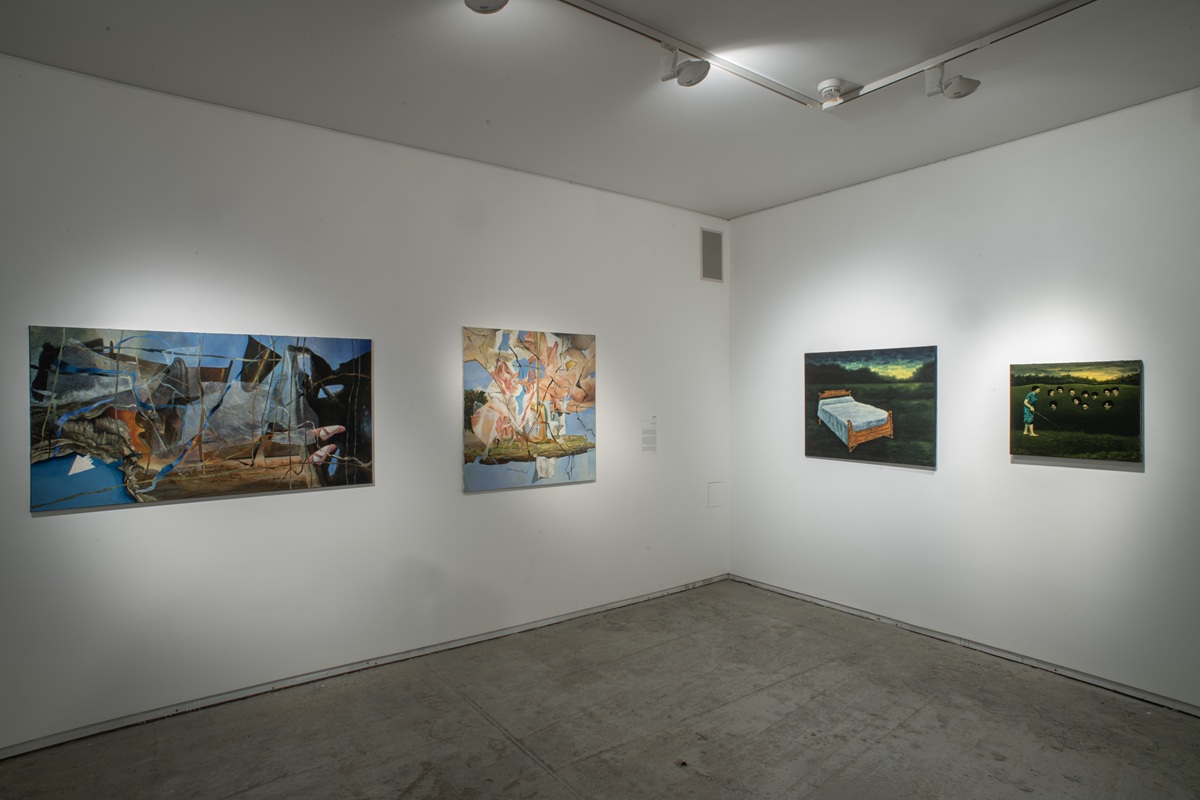
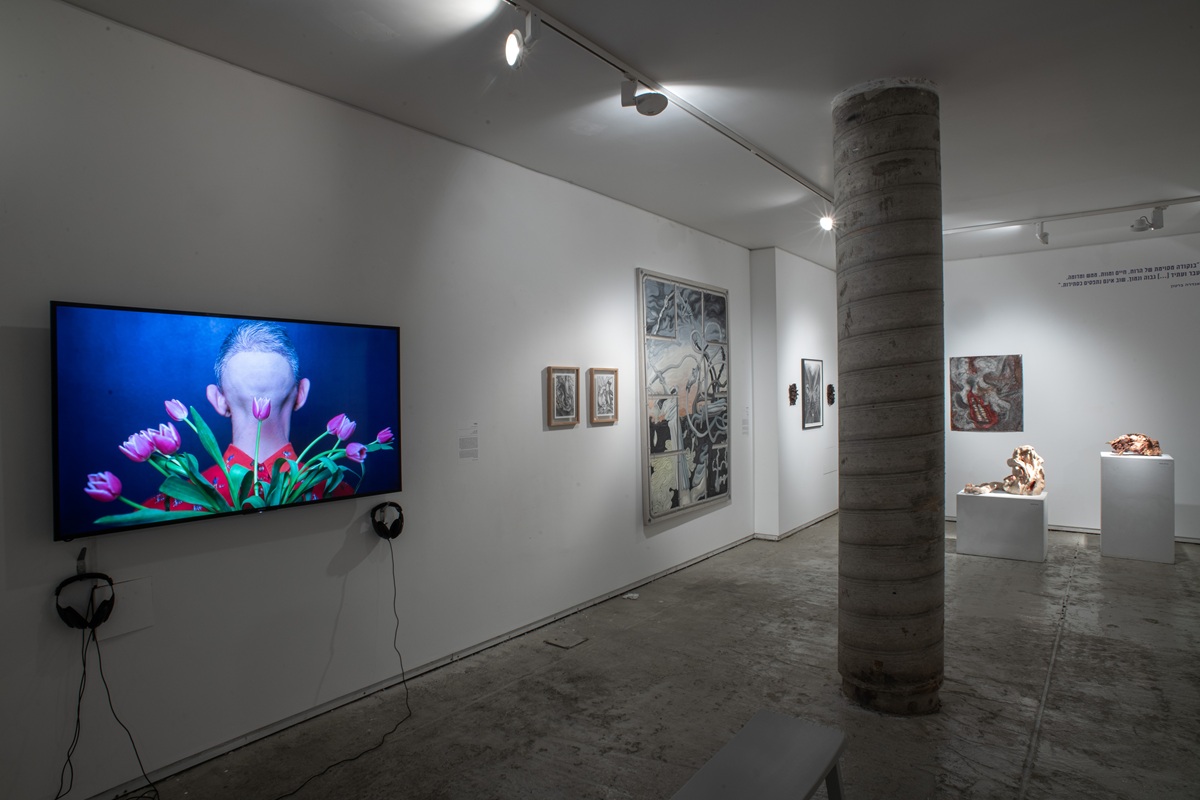
In a world where reality is more surprising and threatening than our wildest nightmares, the ideas developed by the Surrealist movement a hundred years ago have become urgently relevant. The two Surrealist manifestos, written by André Breton in 1924 and 1930, were composed between two world wars. The manifestos expressed new ways of grappling with the tormenting contradictions of reality and stood against the silencing of conscience and the neglect of principles of justice. Breton and other members of the movement undermined the rules of logic. Inspired by psychoanalysis, they believed that a reality in which the realms of imagination and the unconscious are intertwined could serve as a lever for change both for the individual and for society as a whole. From a historical perspective, the achievement of the Surrealist movement lay in transforming what is “beyond reality” (surreal) into artistic artifacts, whose social and political influence was unprecedented. In recent years, extensive research exhibitions have been presented worldwide – including Surrealism Beyond Borders (New York and London, 2022), Surrealism (Paris, 2024), and Surrealism and Anti-Fascism (Munich, 2024) – addressing political aspects that hadn’t been previously highlighted, while spotlighting the movement’s relevance to our times.
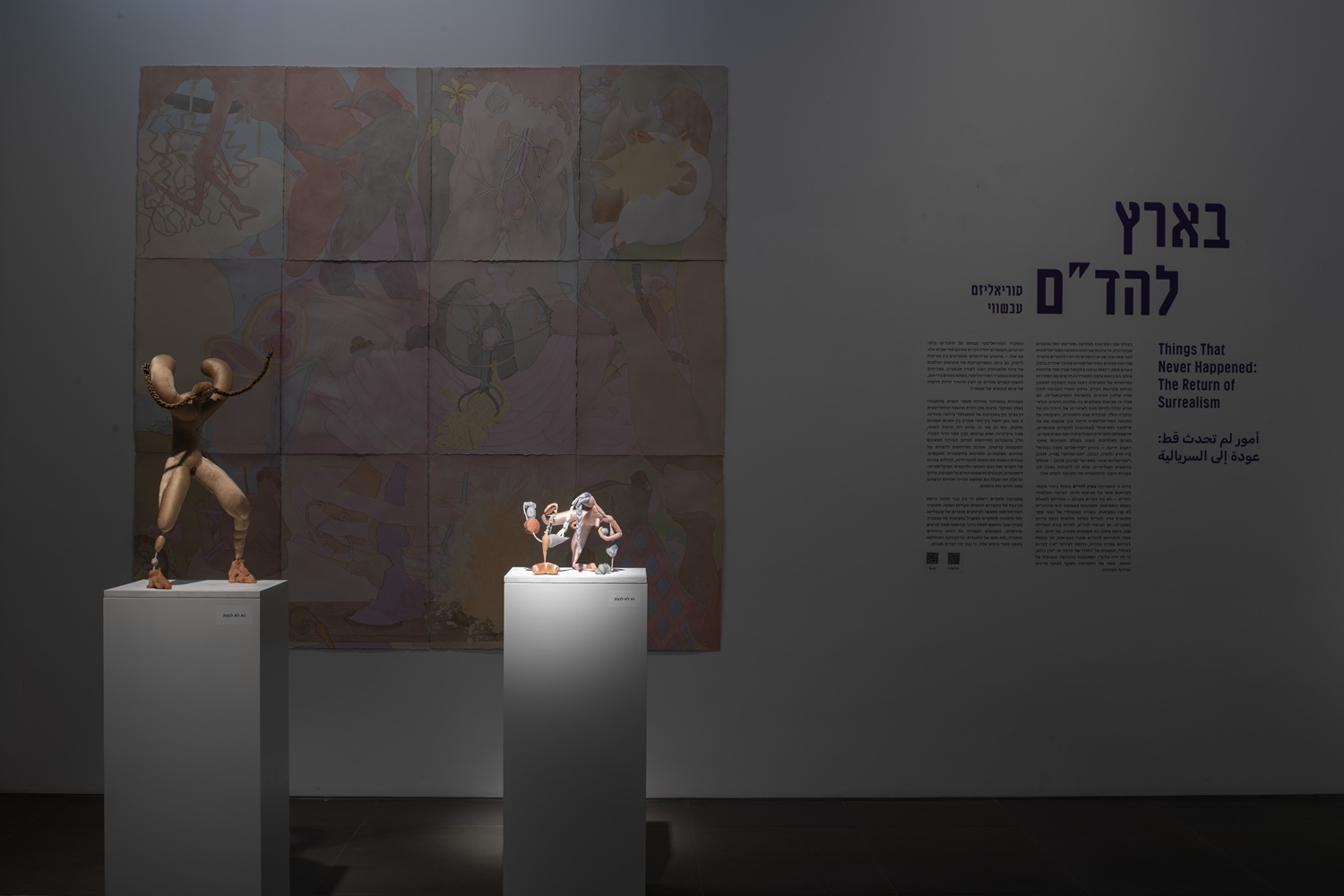
In this spirit, the exhibition Things That Never Happened gives local expression to undermining voices against the reality of our lives. The Talmudic expression “la-had’am” [never was] – refers to the question of truth and reality. Its literal meaning is that things did not happen in reality. In Naomi Shemer’s popular song “Eretz La-Hadam,” “The Land of Never Was” is described as a cherished dream realm. The expression “la-had’am,” despite its negative form, also carries an opposite meaning, one of affirmation. It may refer to things that happened in reality, yet an ethical stance is taken, similar to the phrase “there are no such things,” which points to the uniqueness of the matter, or “there’s nothing, because there was nothing,” which decodes as denial and obfuscation of truth. The exhibition’s title reflects the irrationality and systemic breakdown.
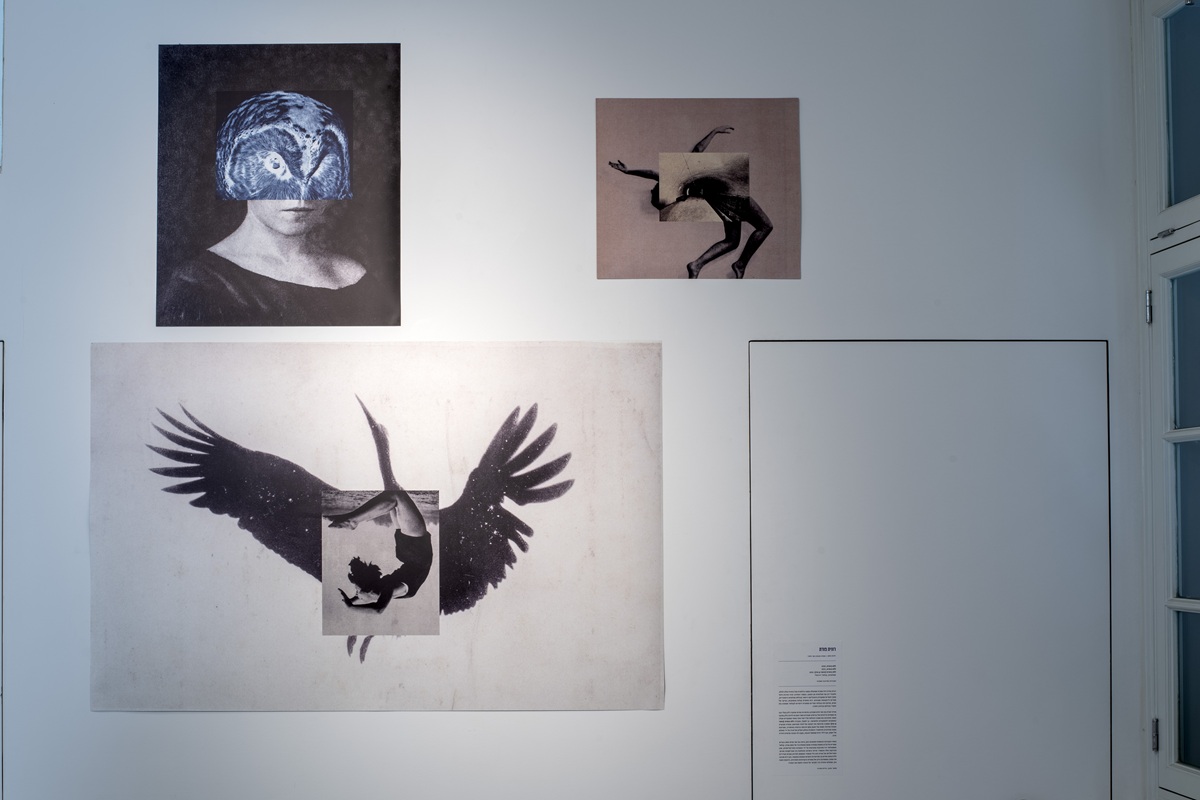
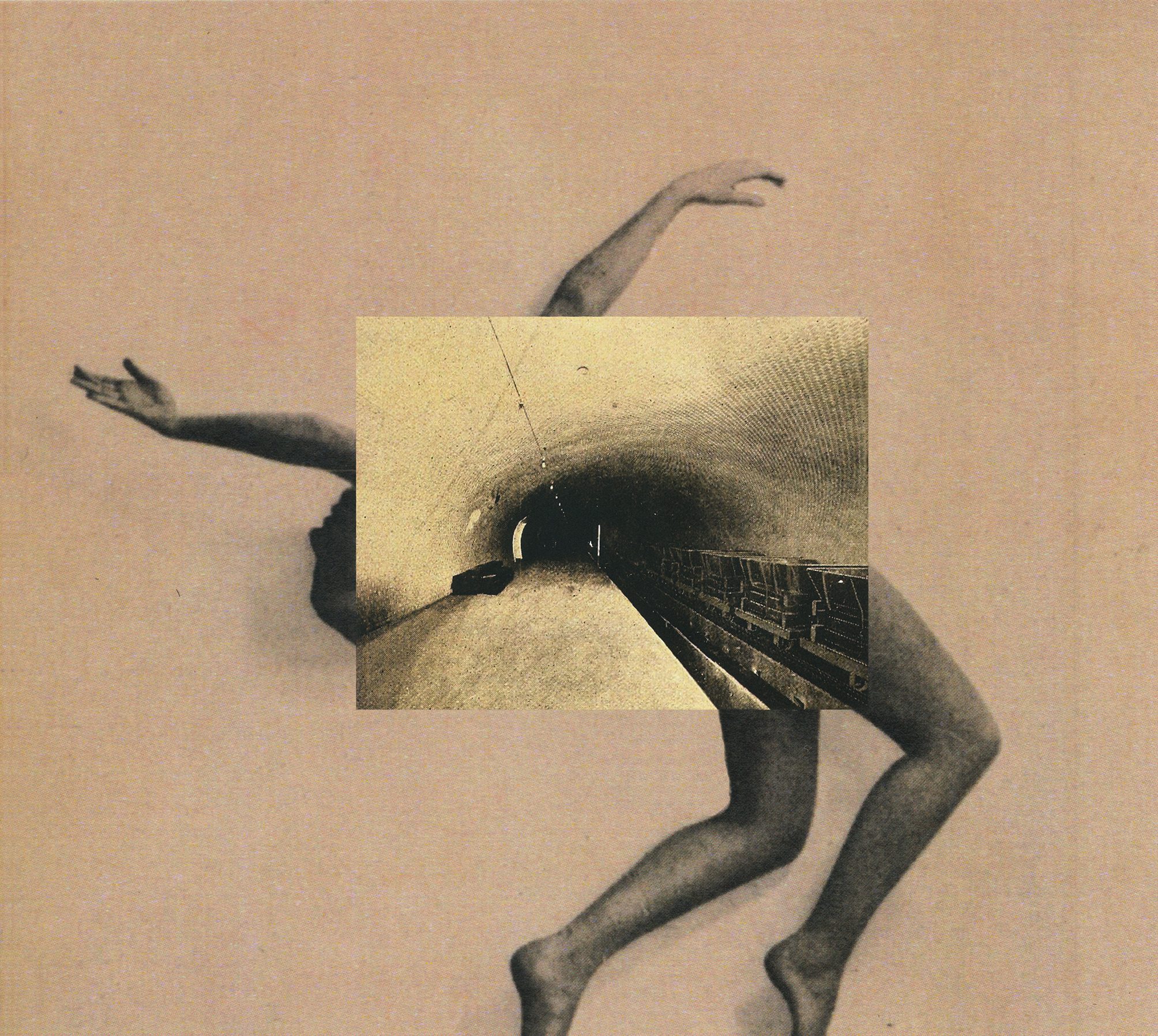
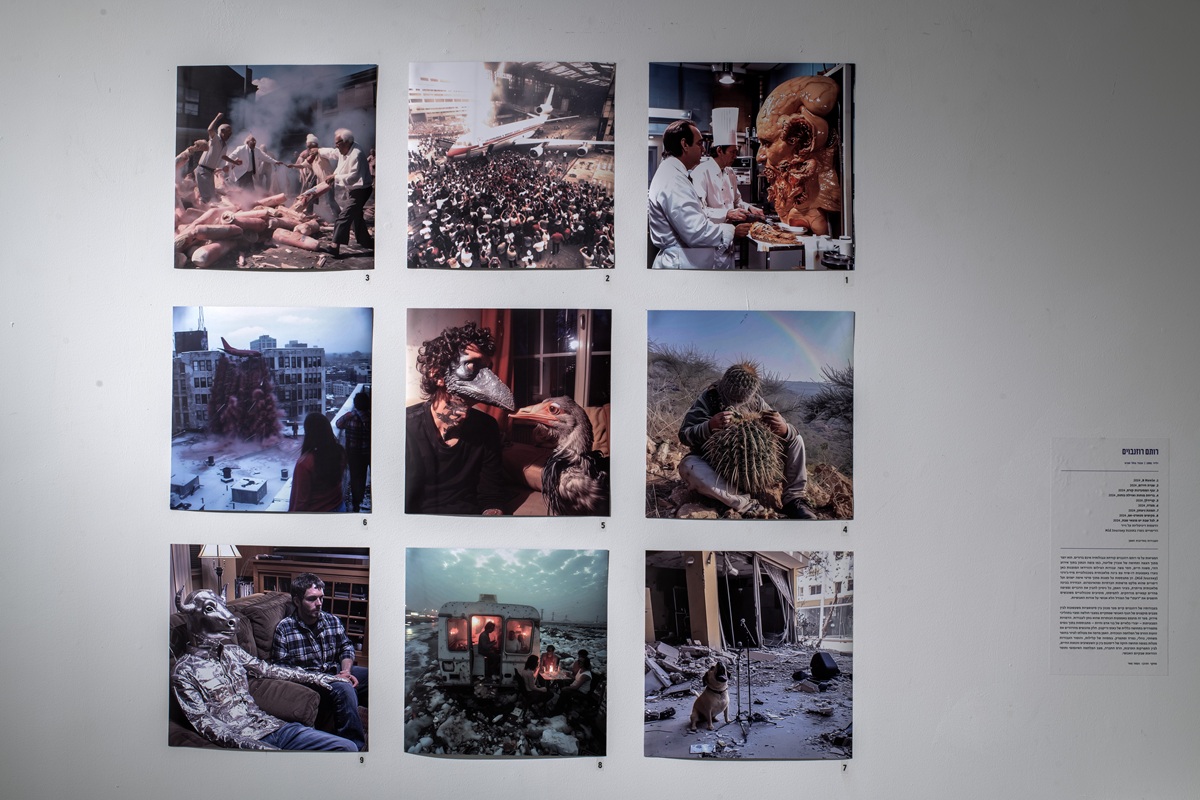
Surrealist syntax is based on illogical connections, linking together things that do not reconcile with each other – arbitrary and surprising fusions between reality and imagination. Even today, when Photoshop practices and artificial intelligence worlds have become routine, surrealist syntax principles, when placed in an artist’s hands, succeed in revealing hidden connections and illuminate new angles of existence under conditions of absurdity.
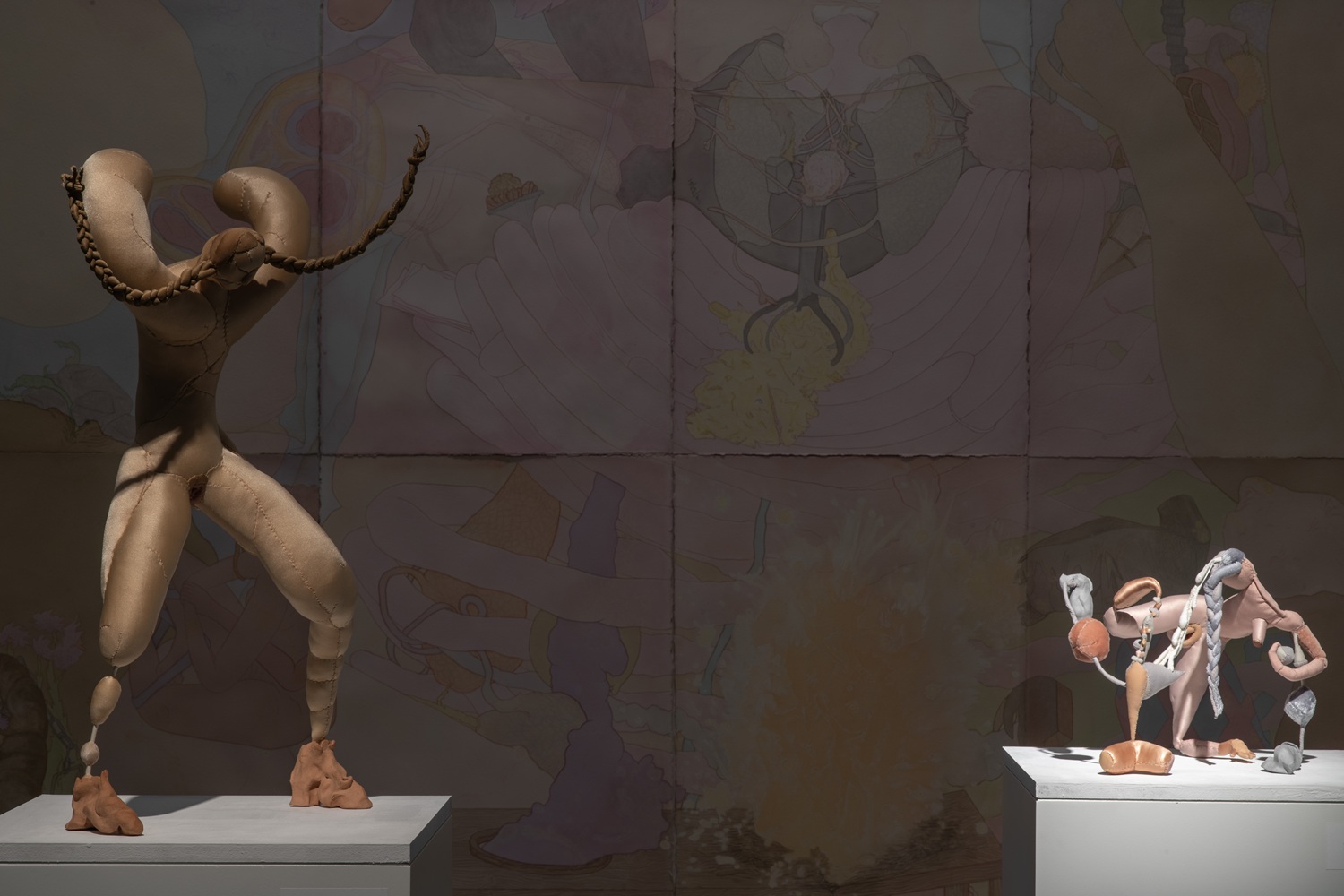
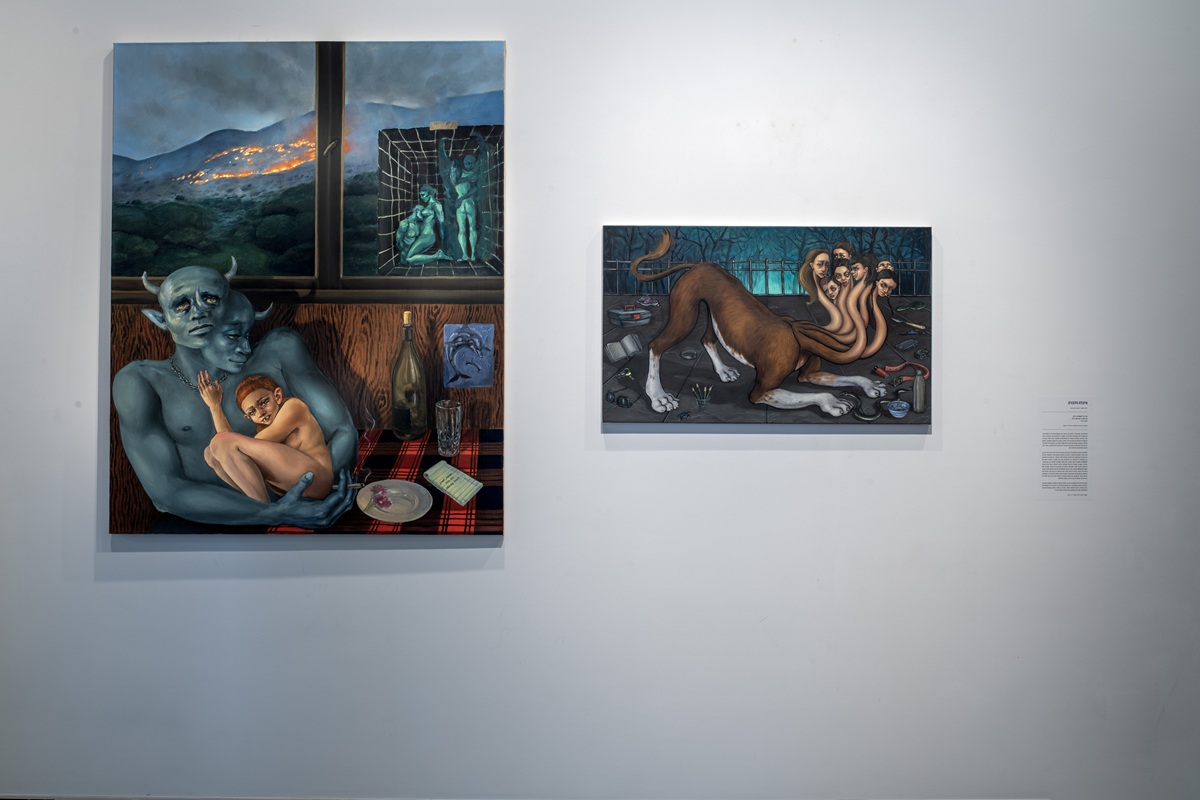
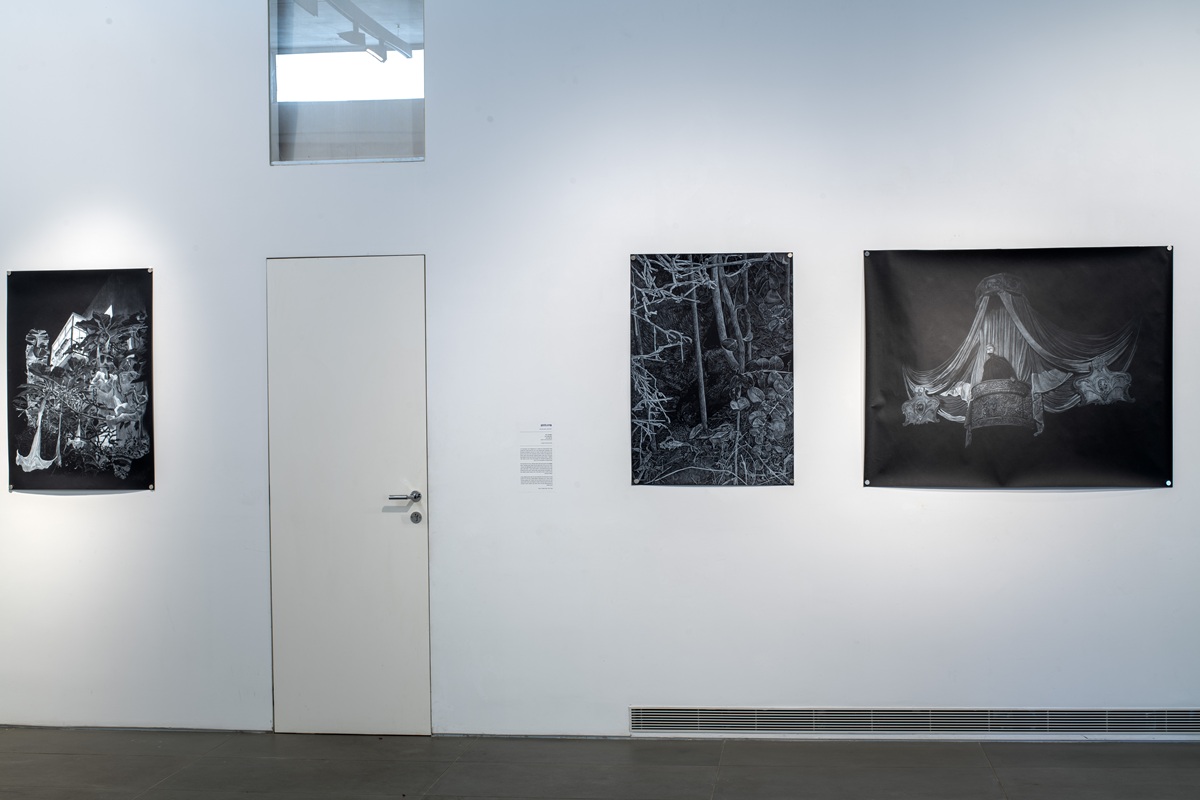
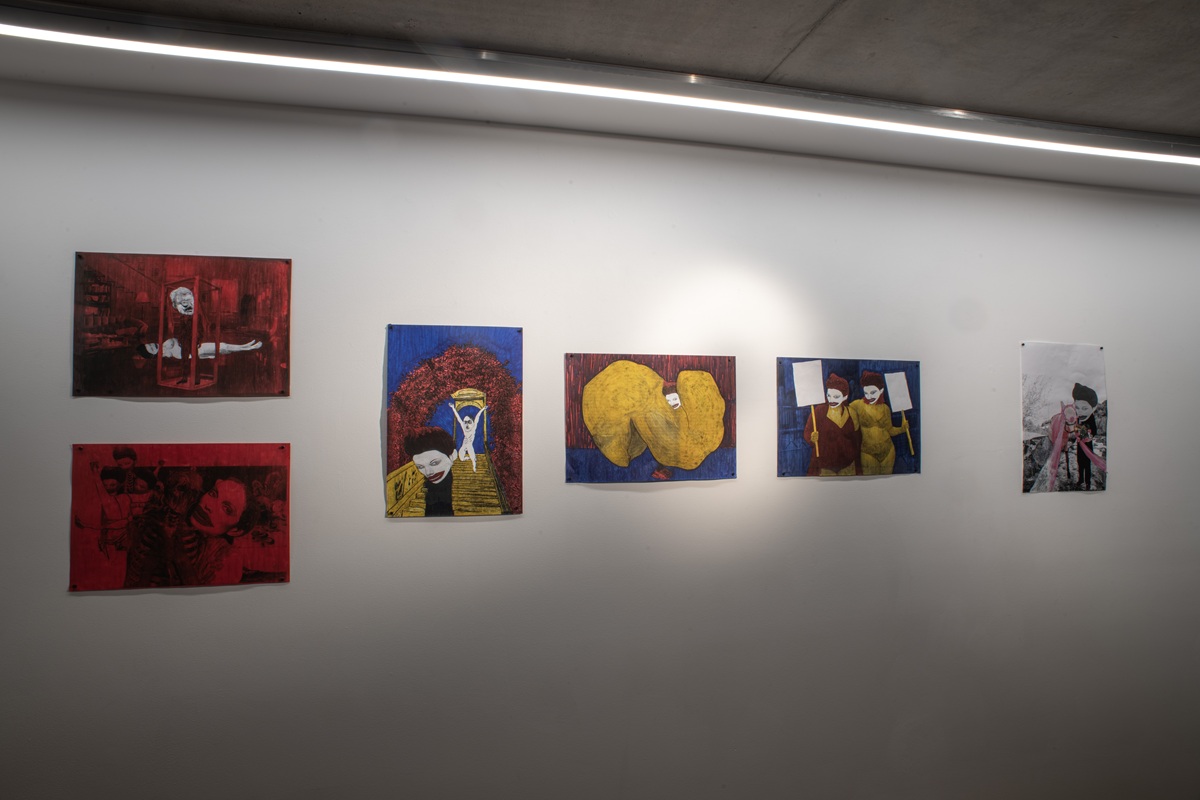
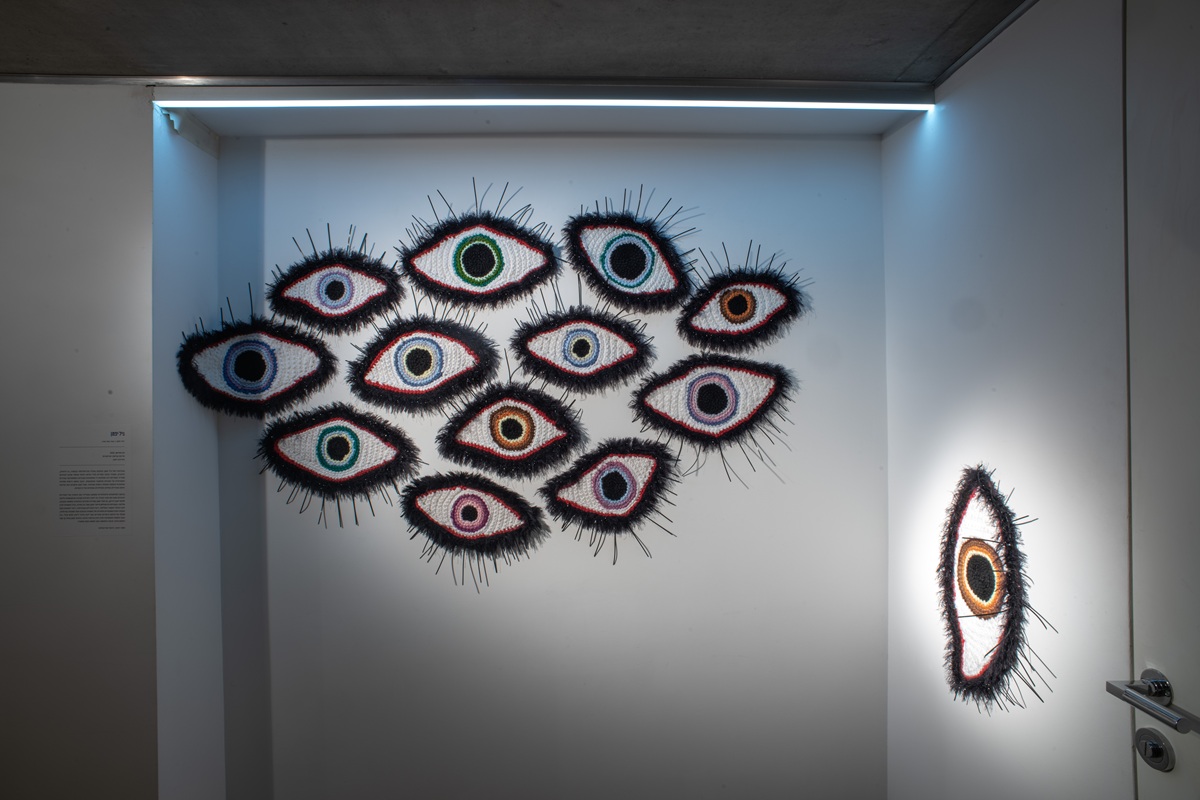
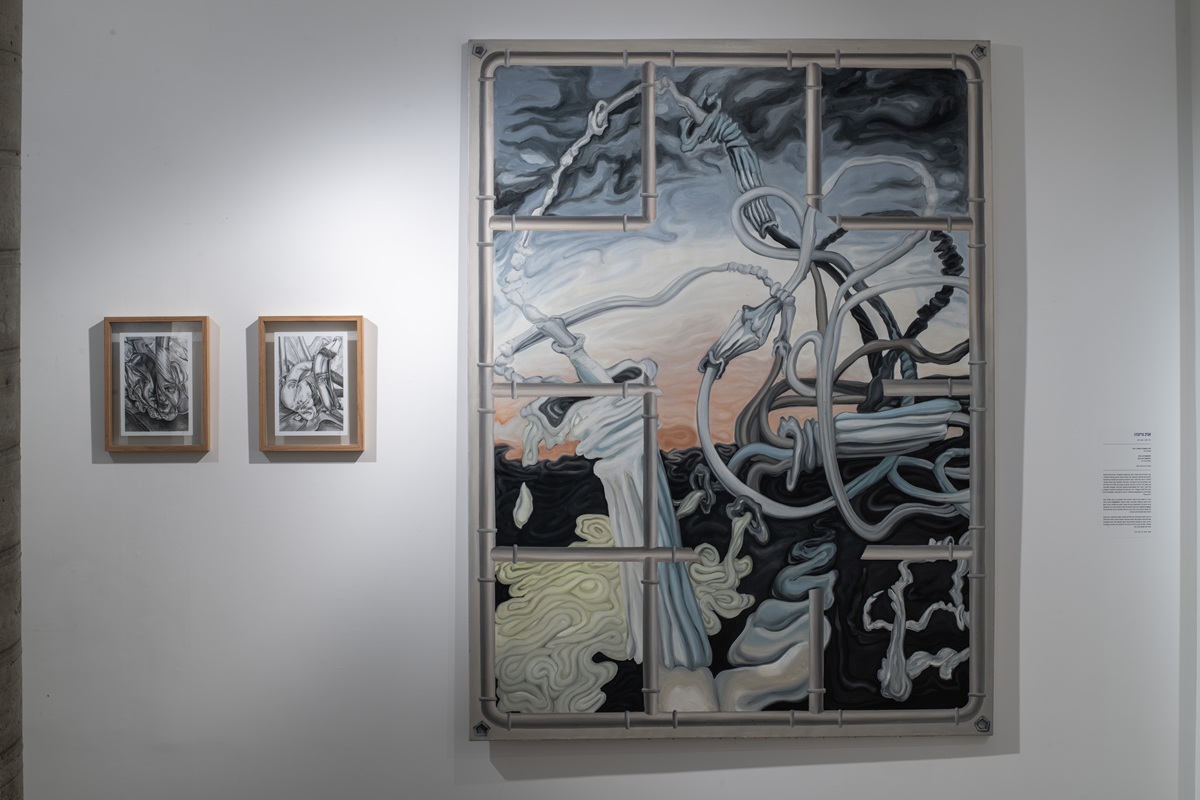
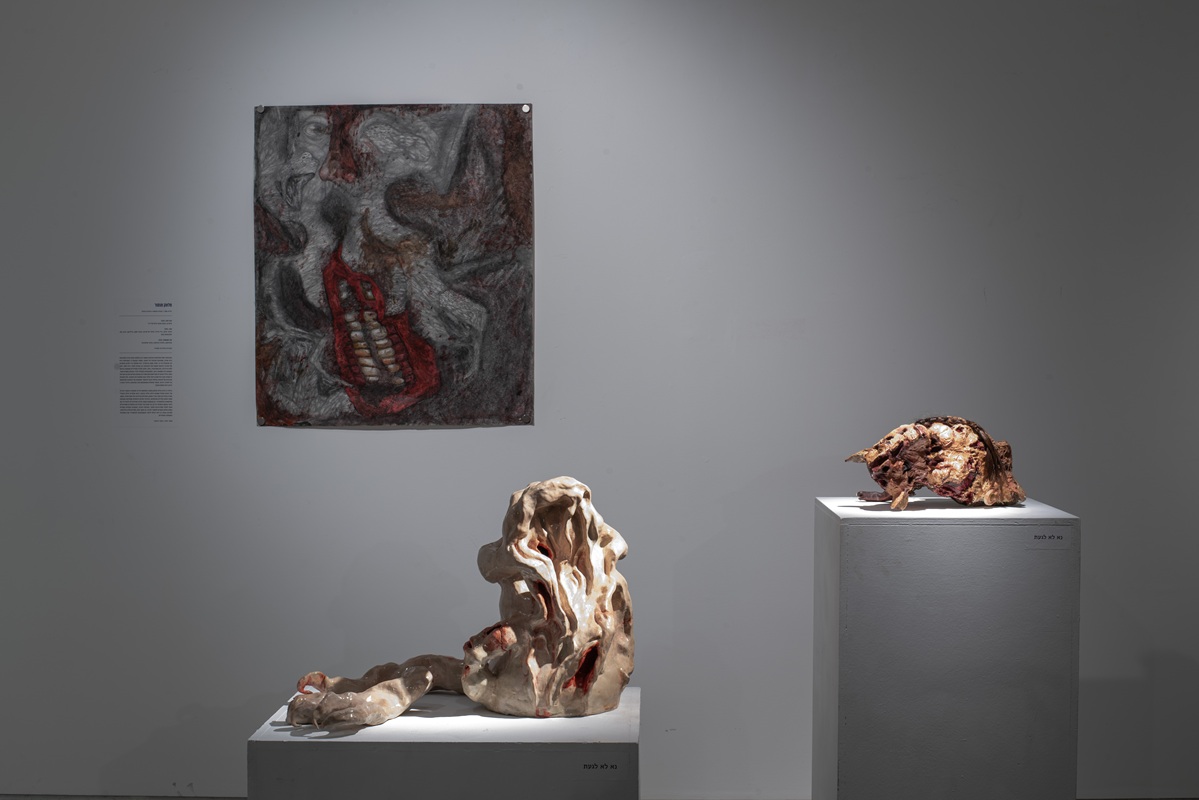
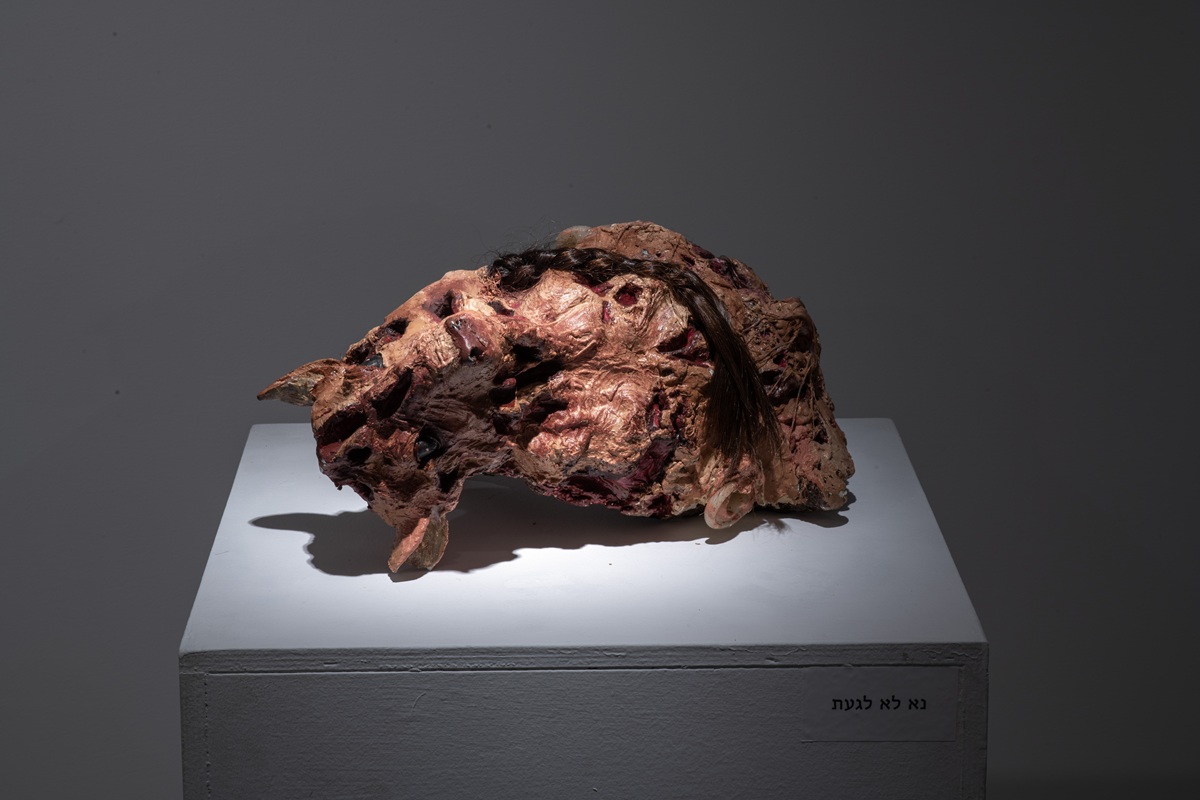
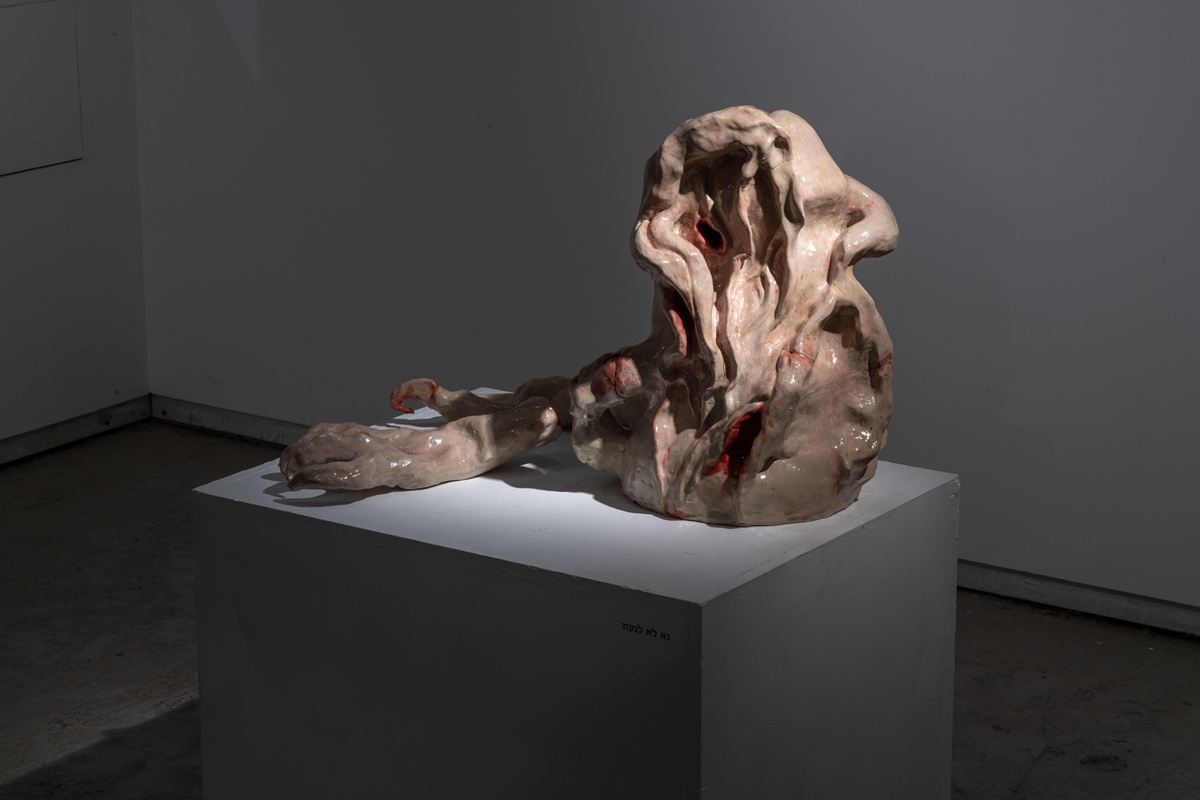
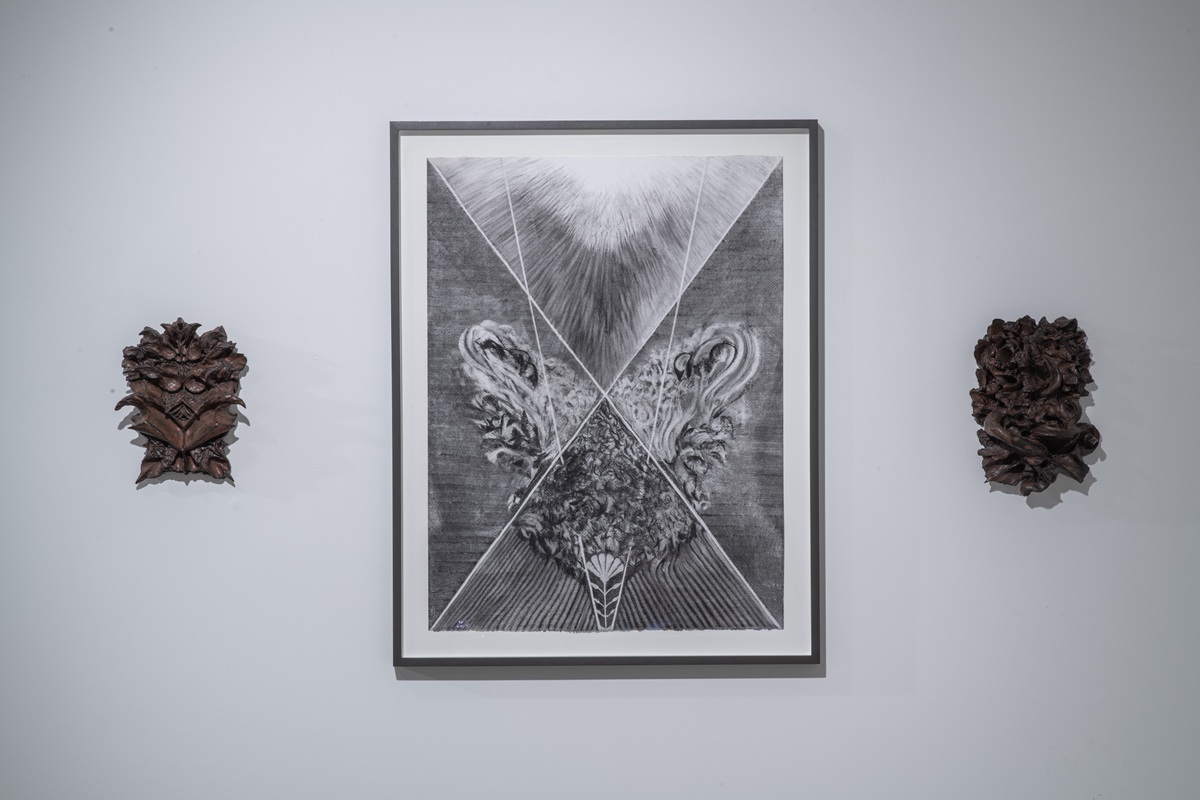
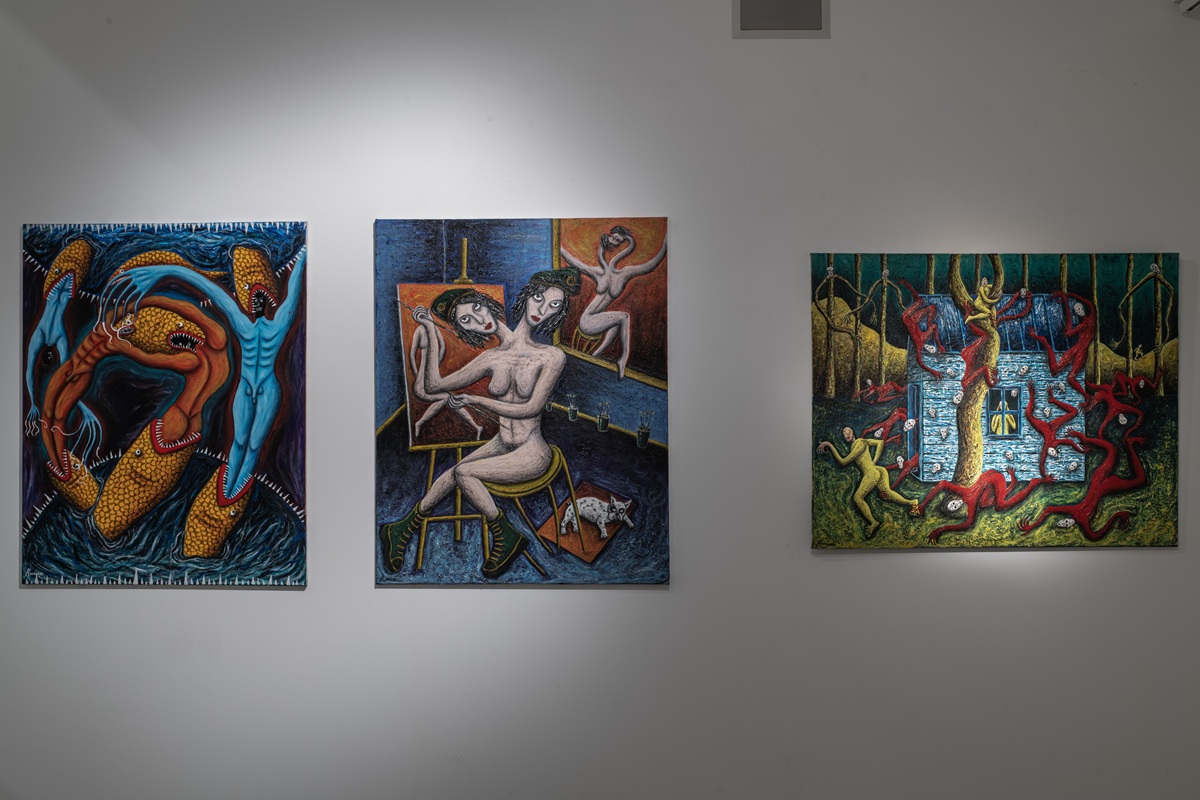
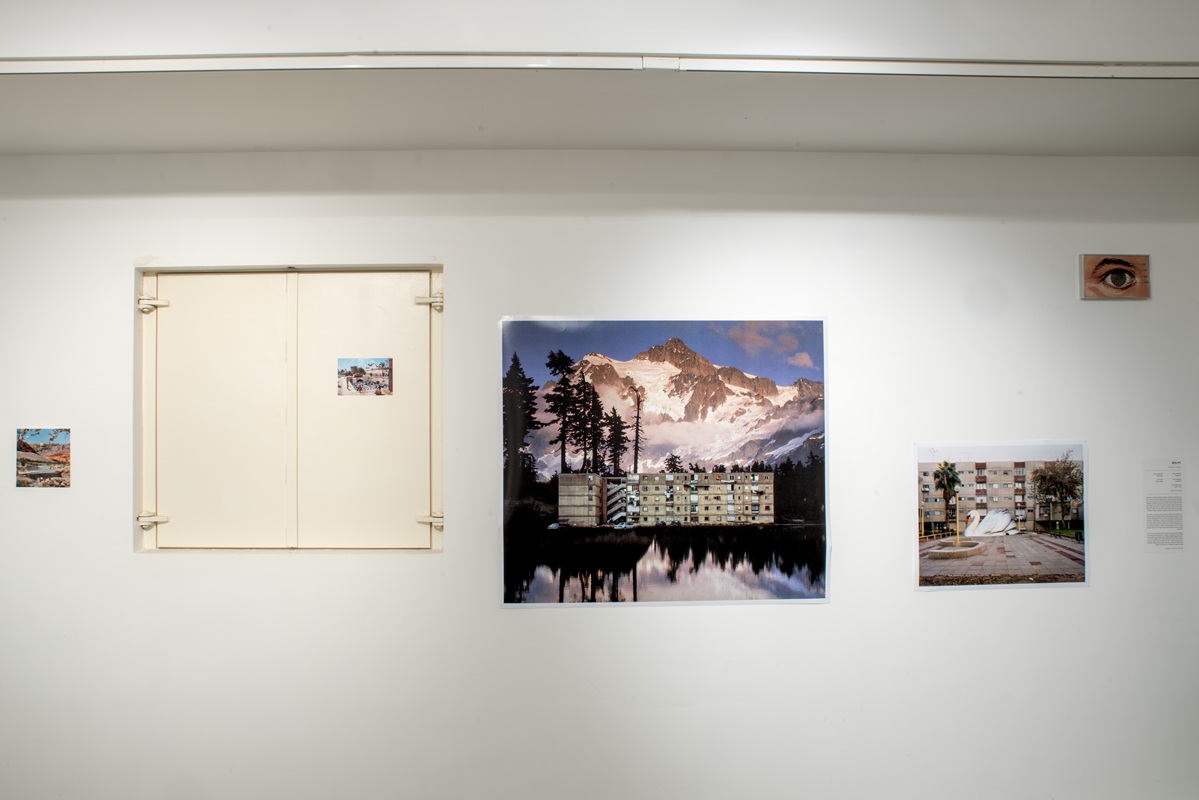
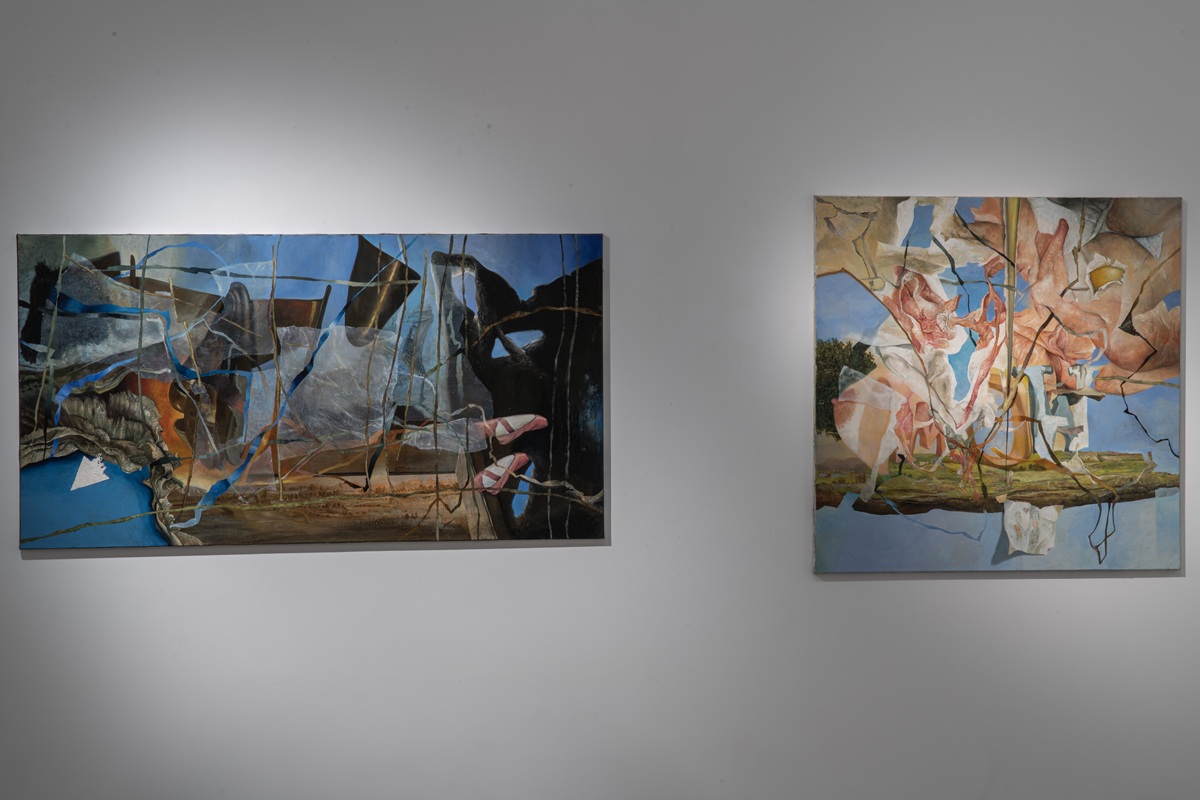
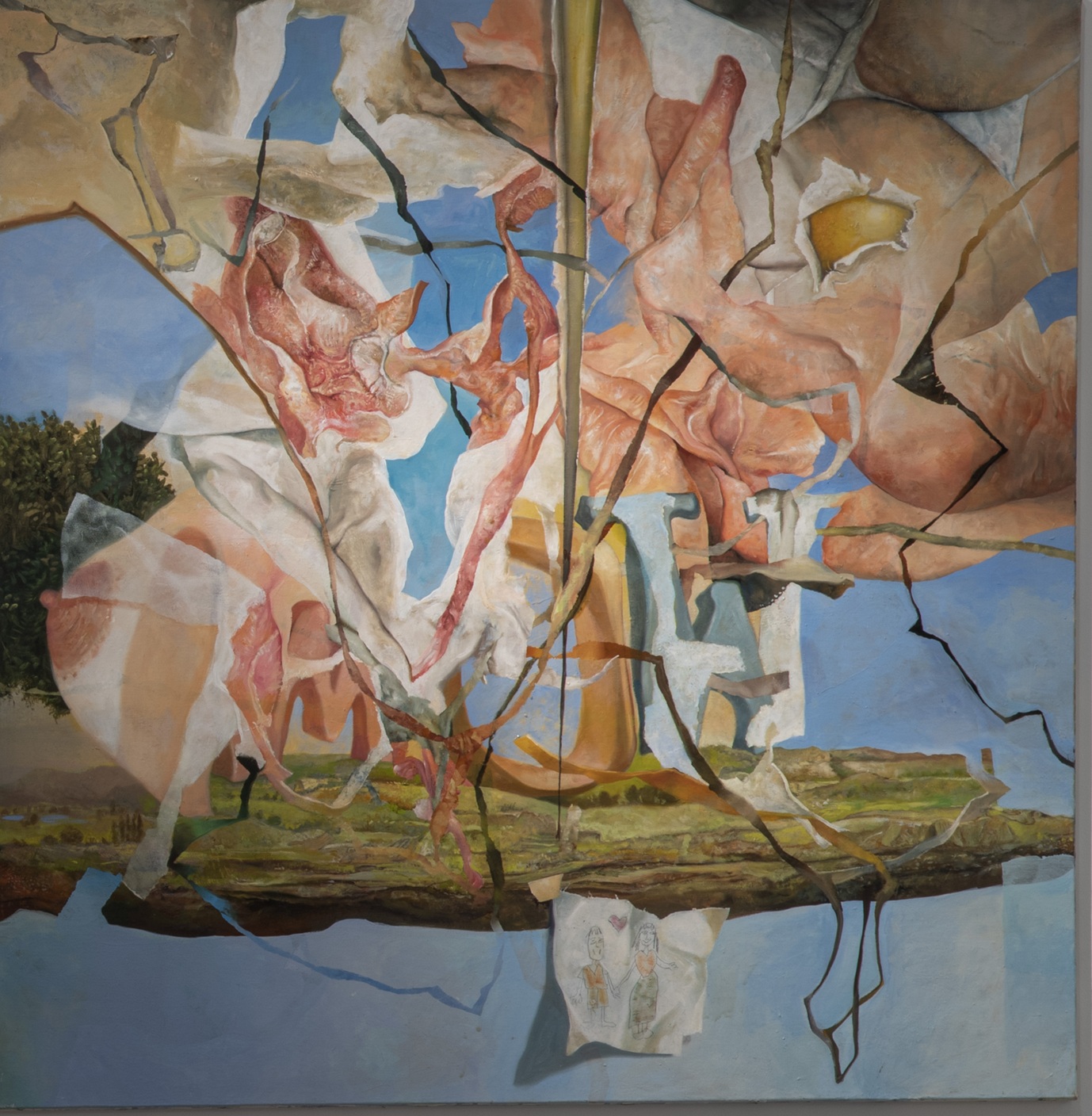
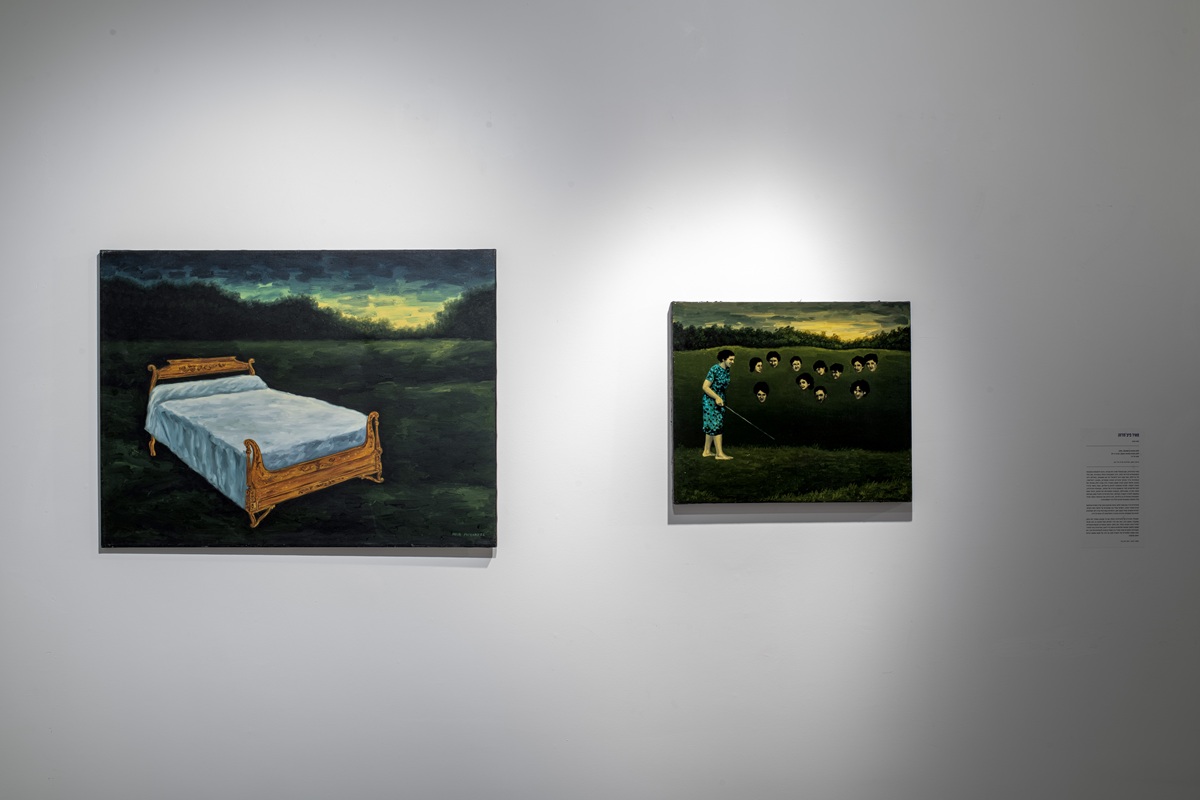
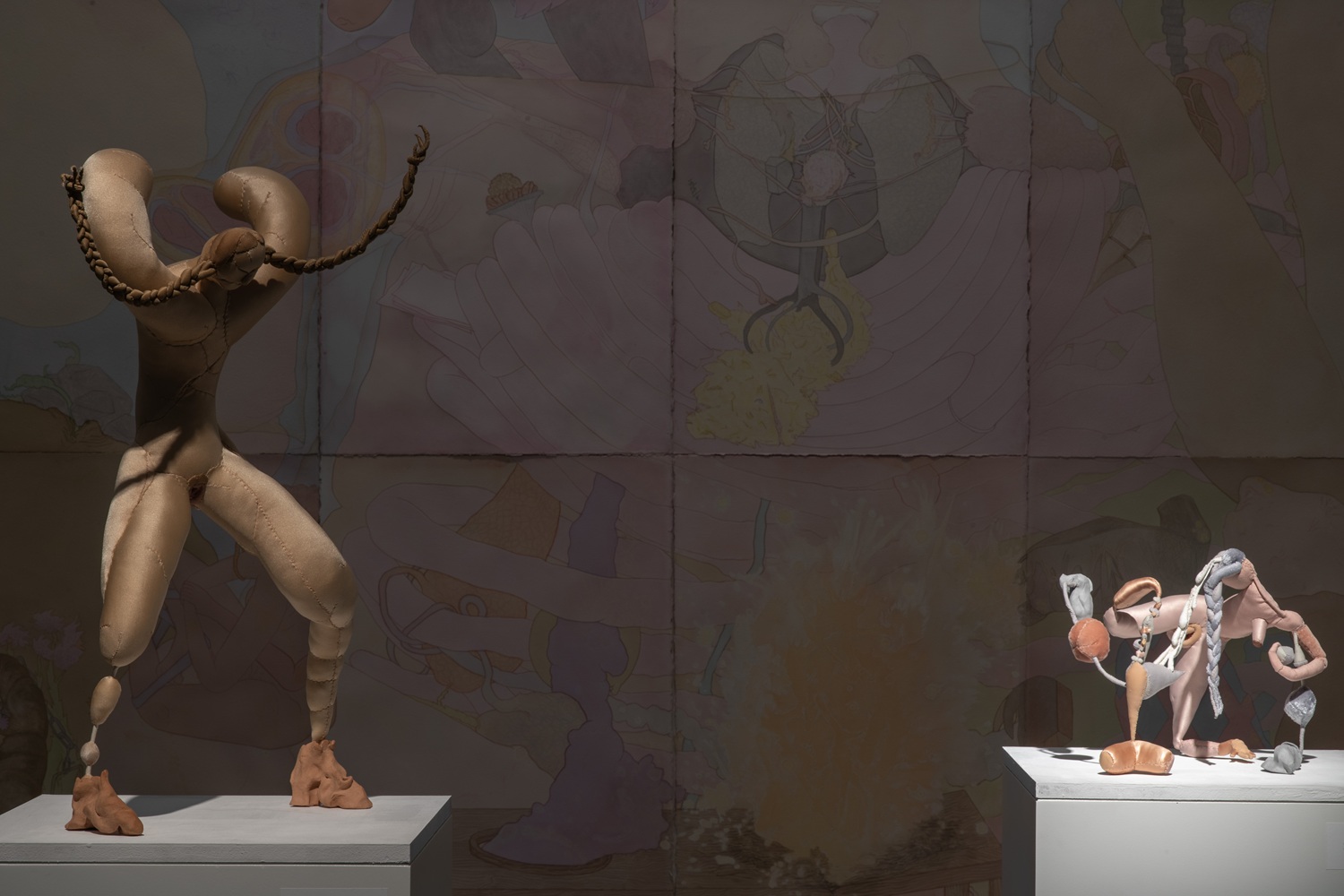
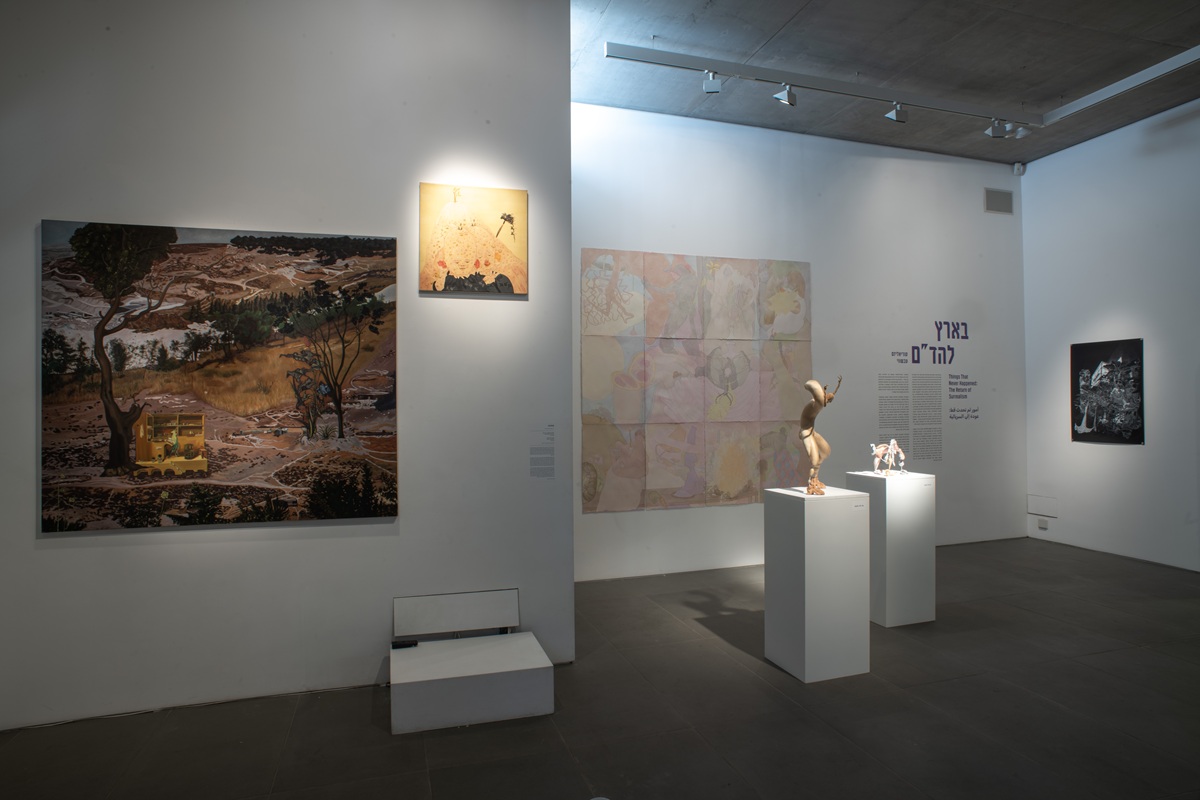
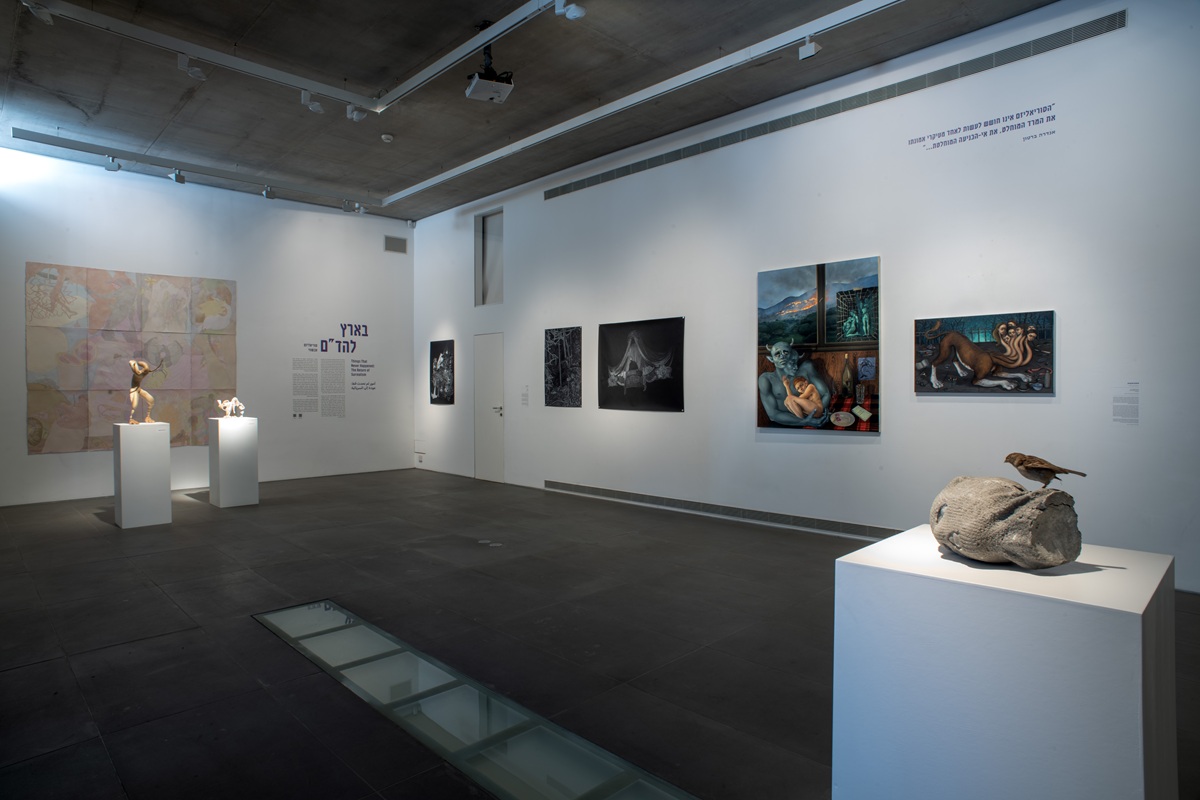
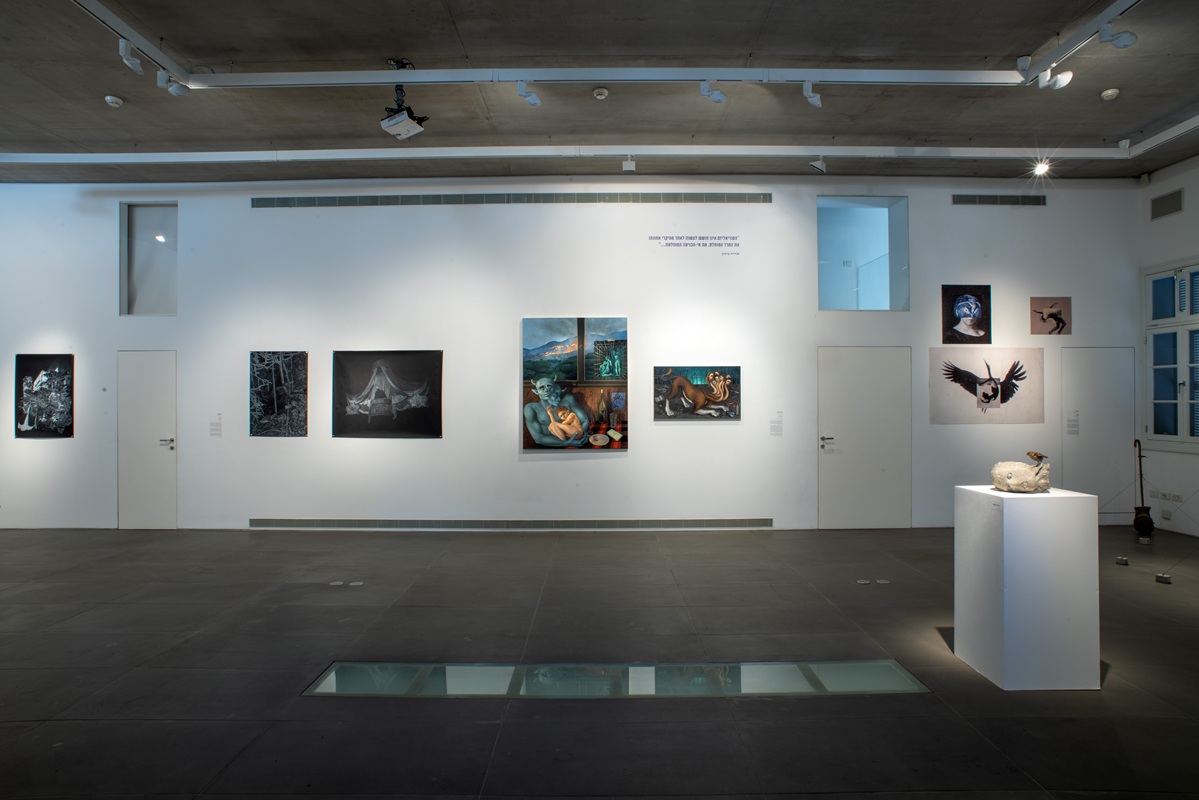
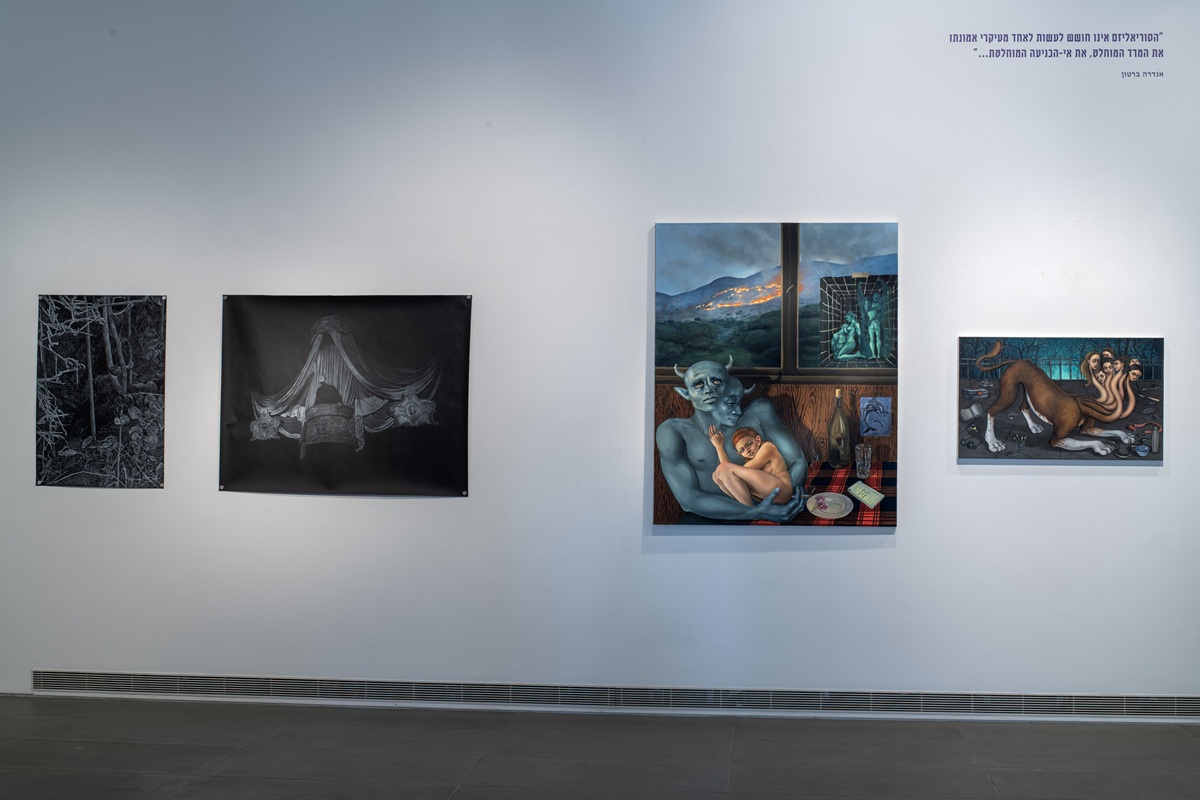
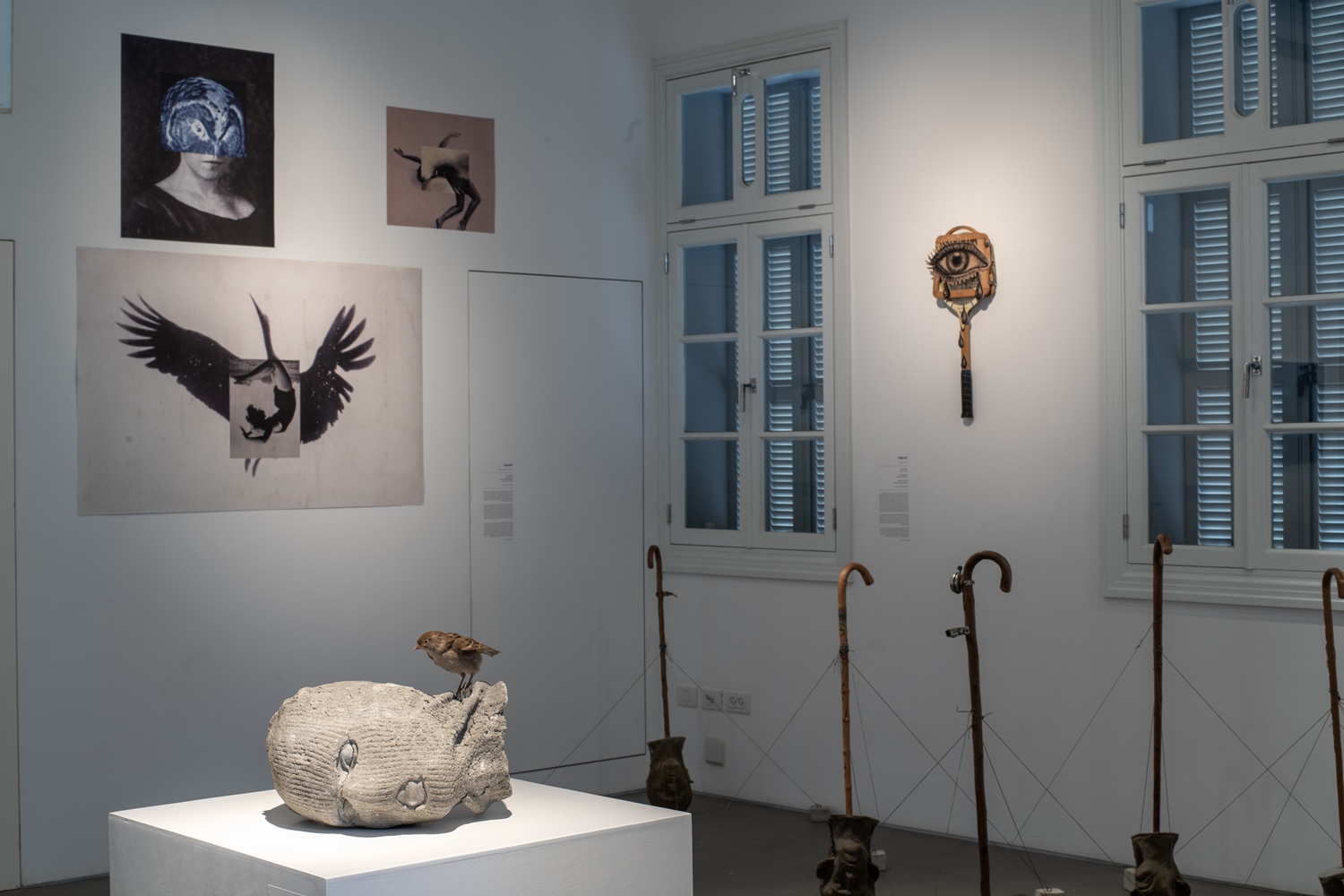
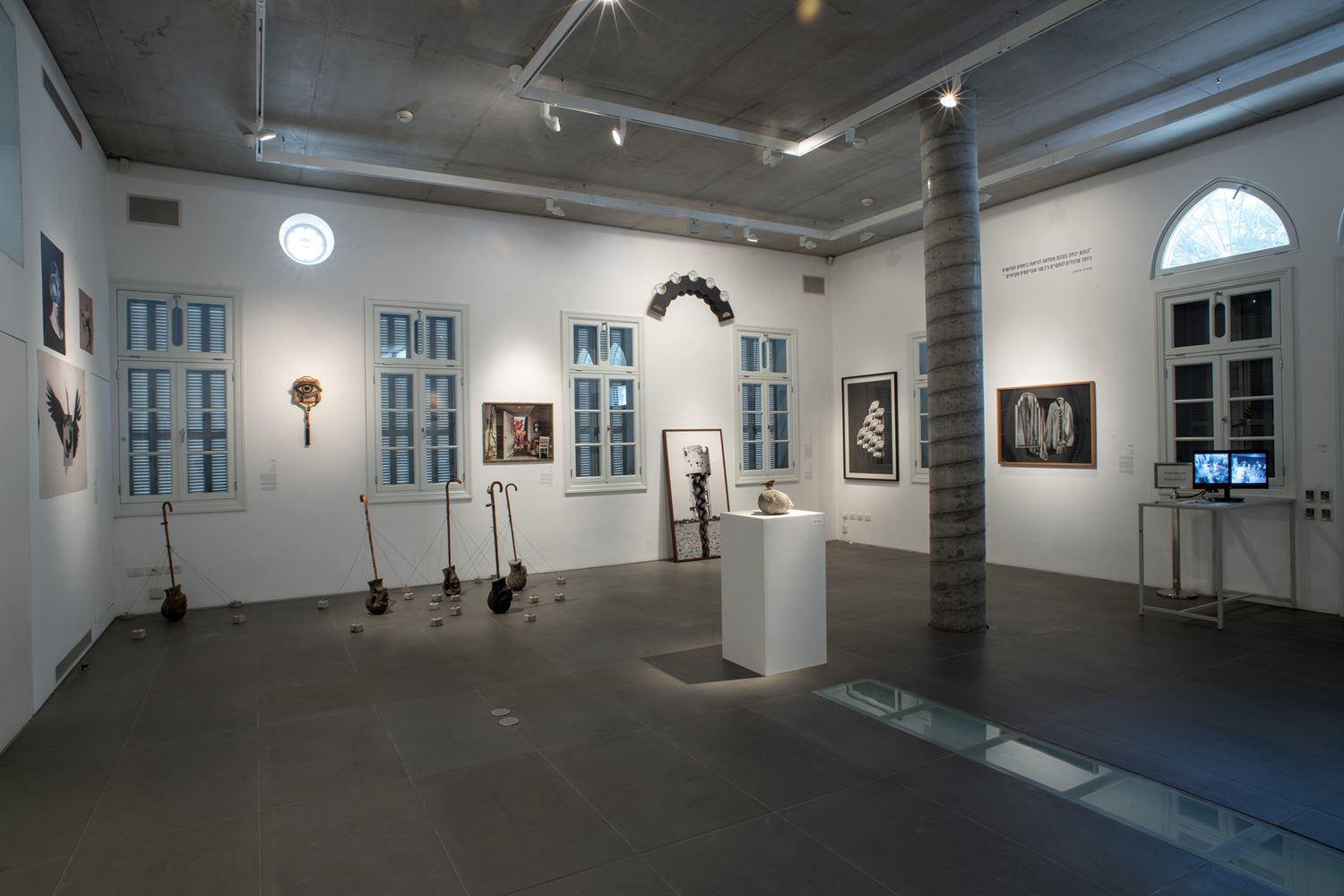
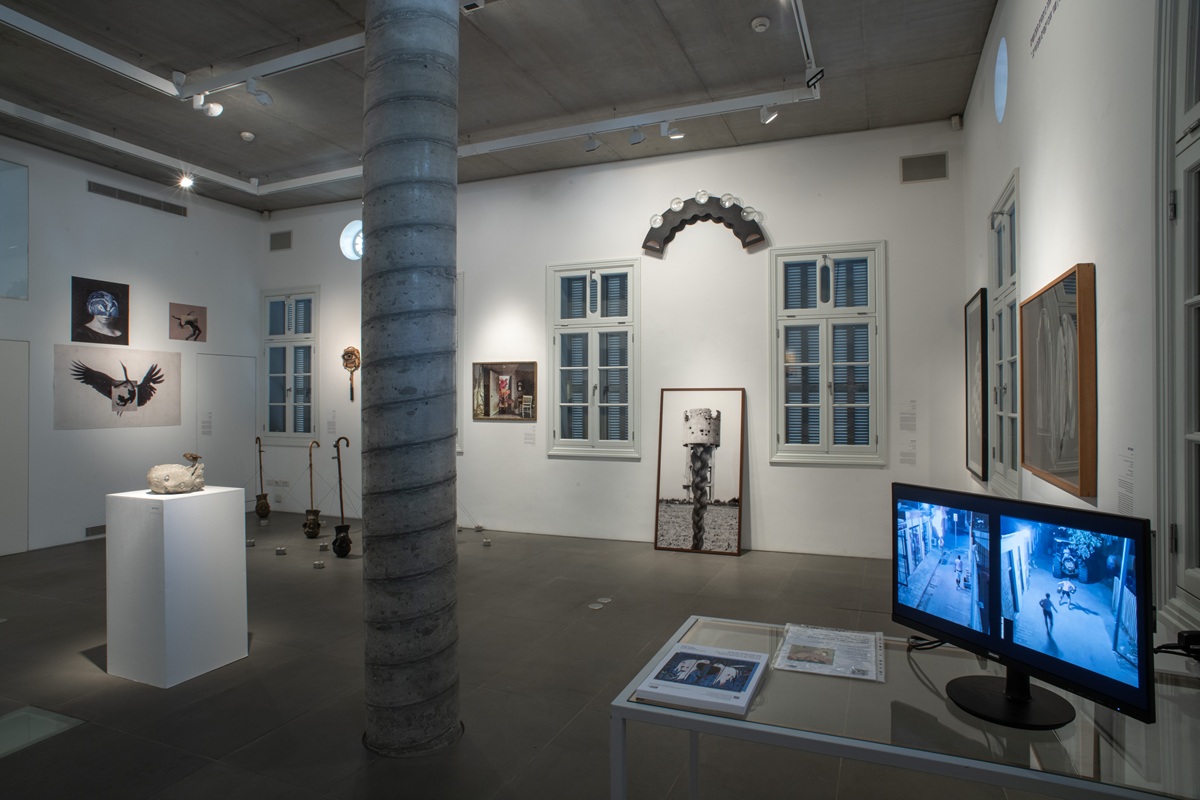
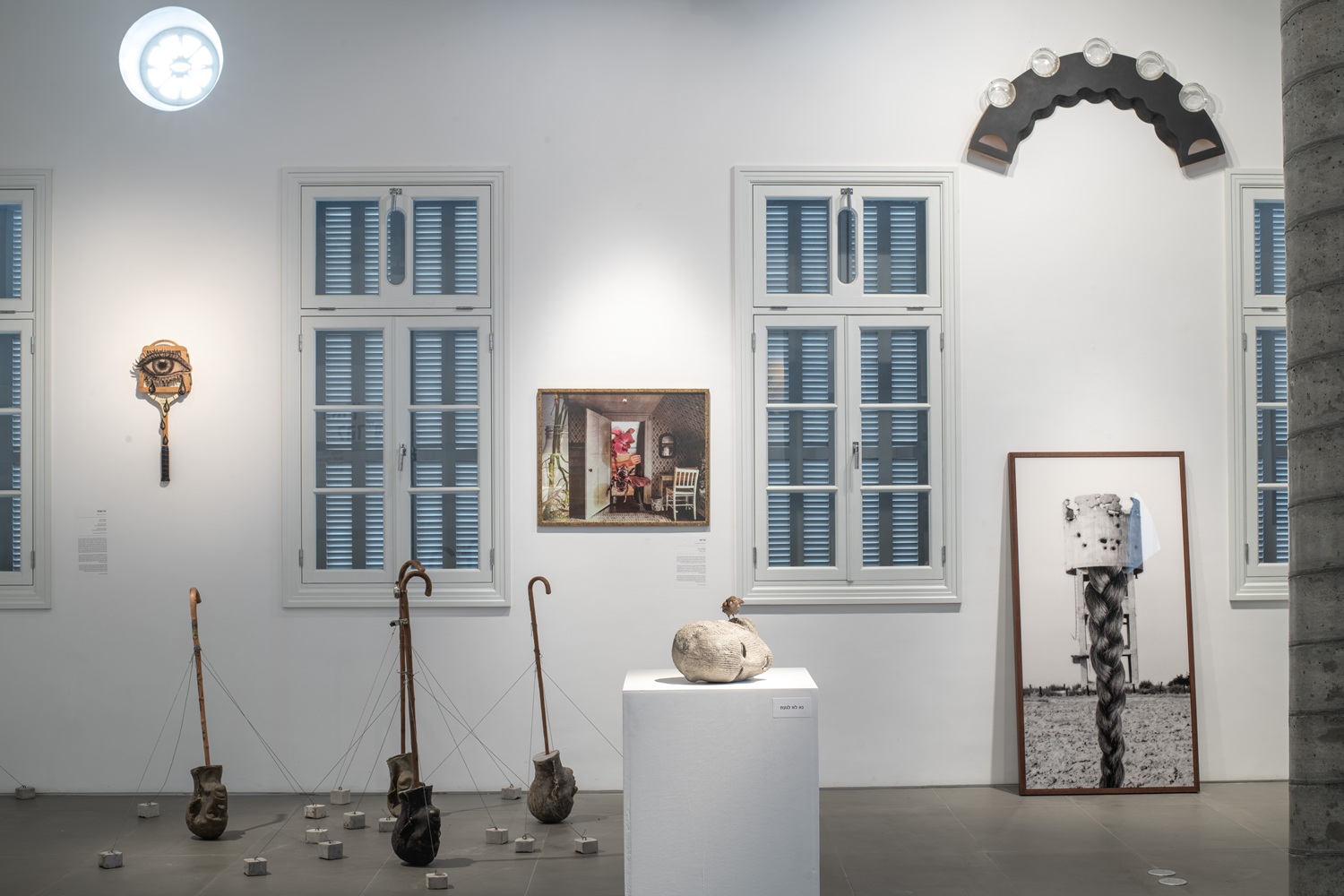
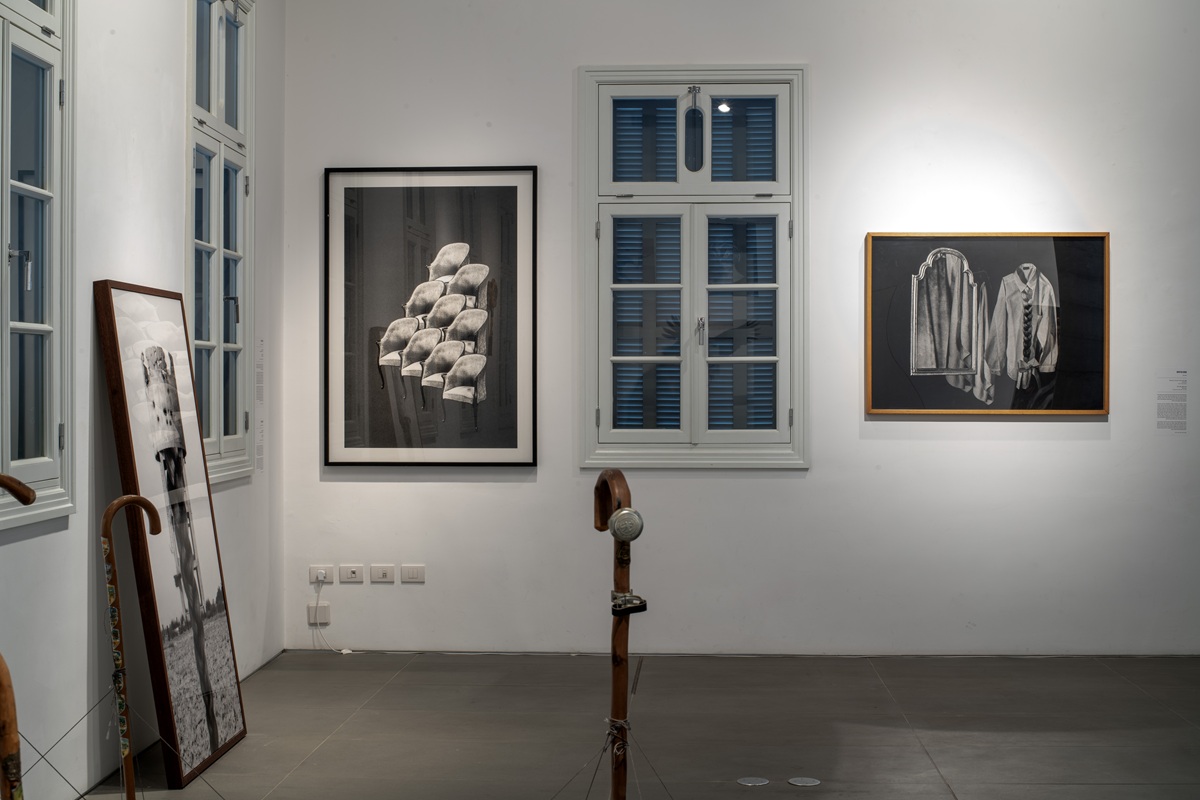
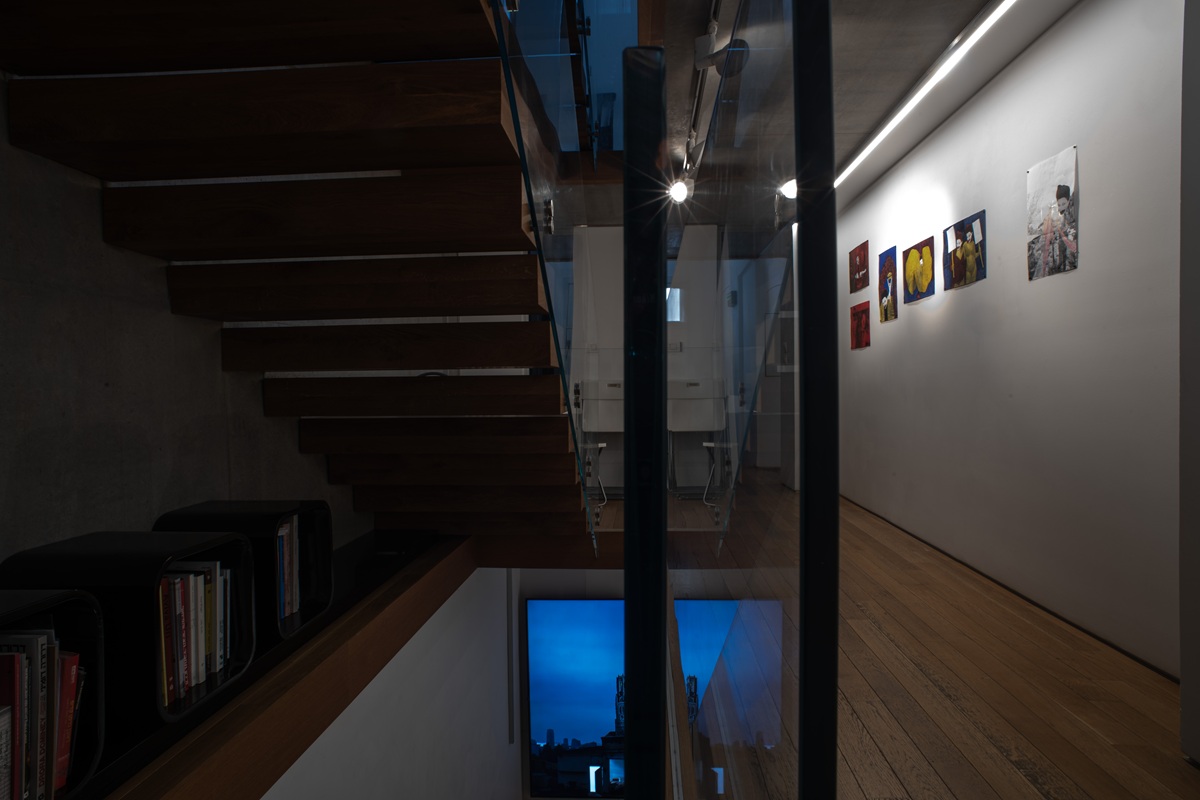
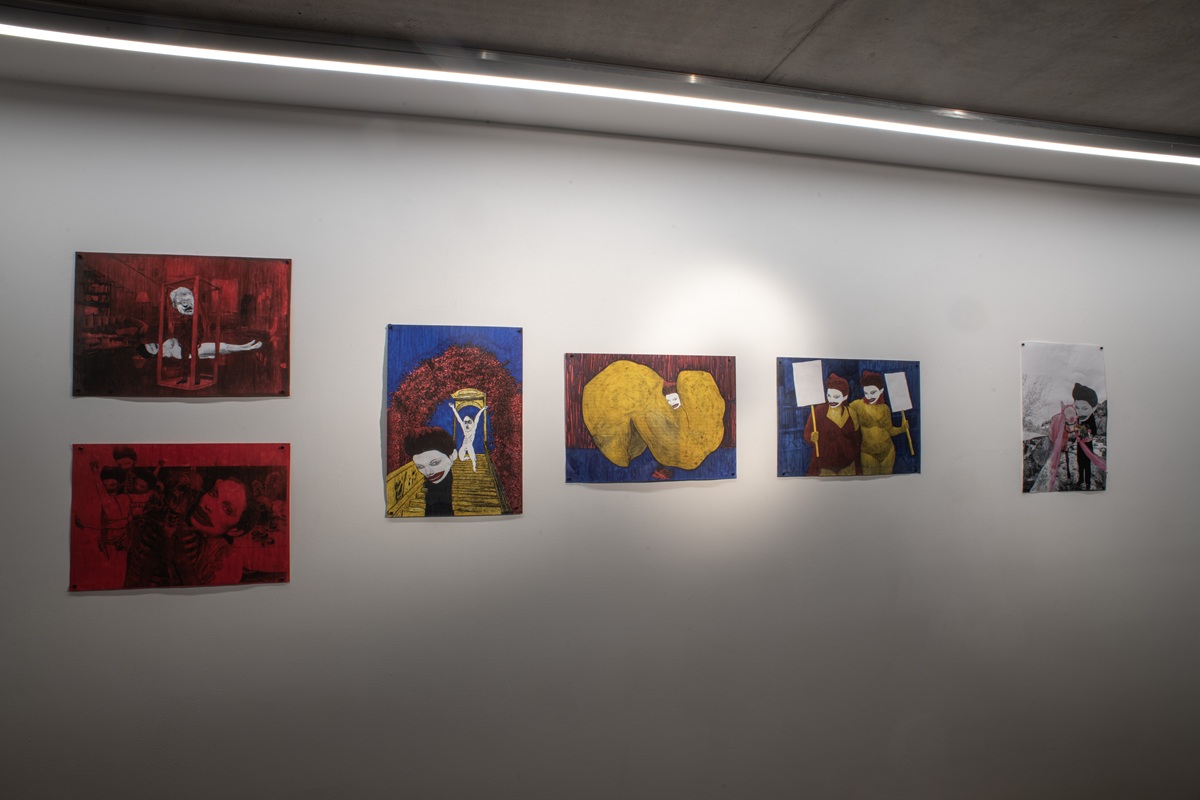
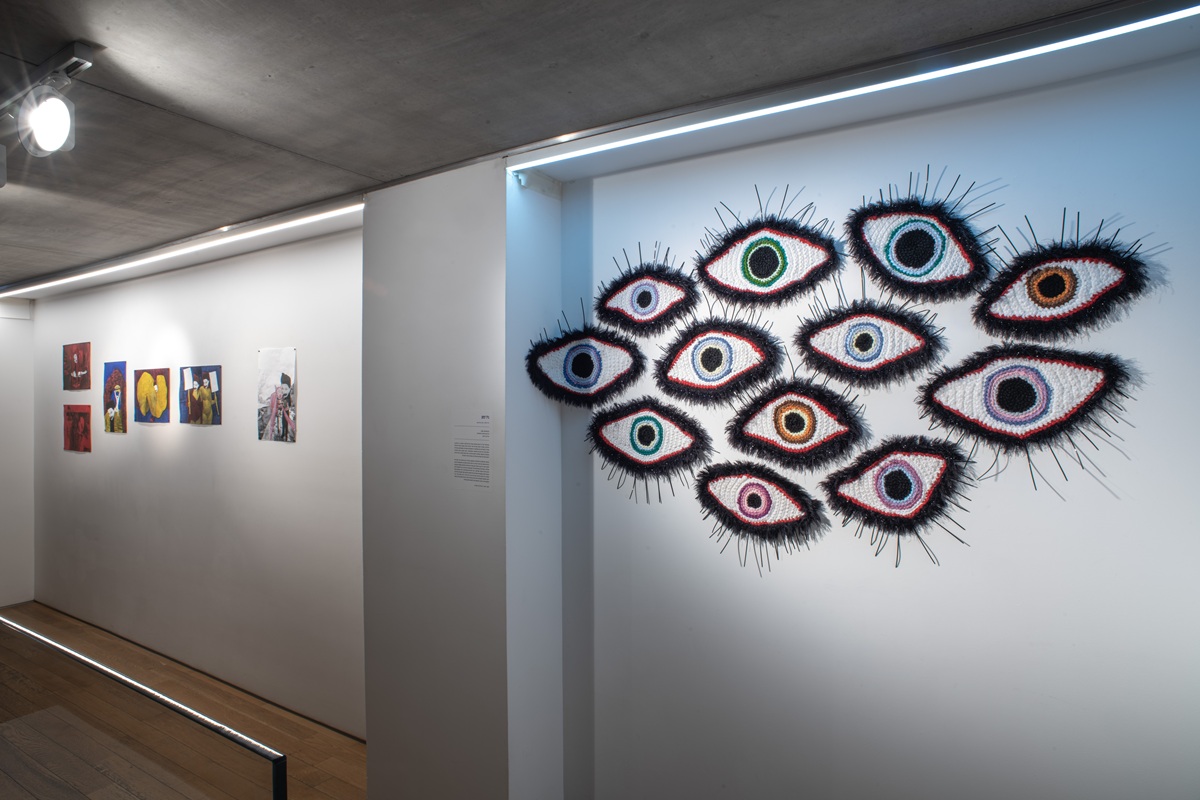
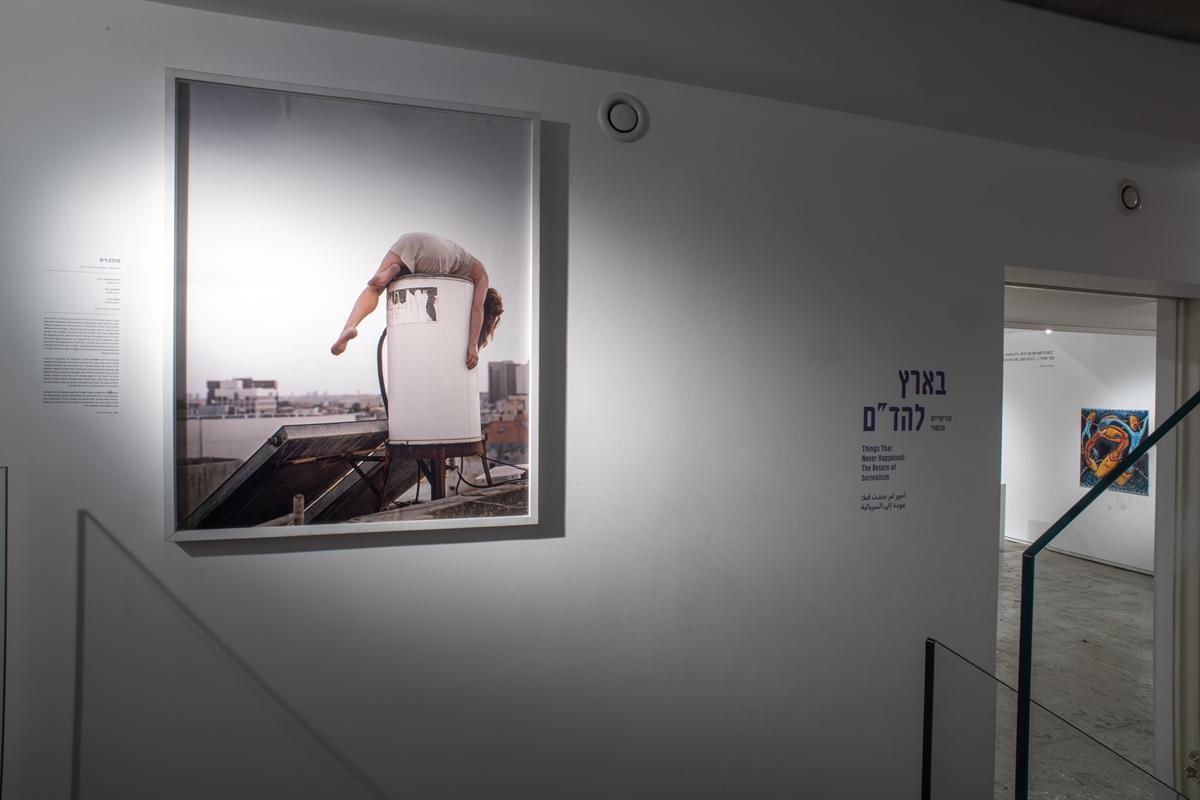
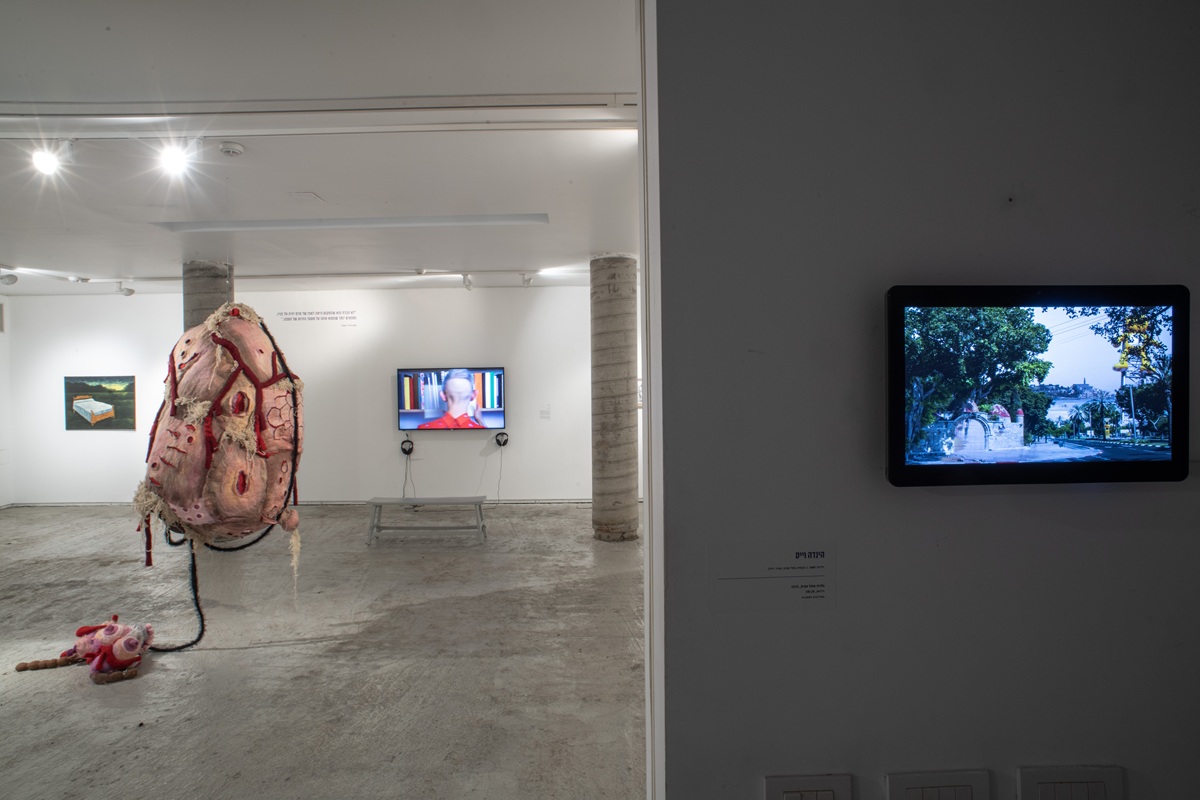
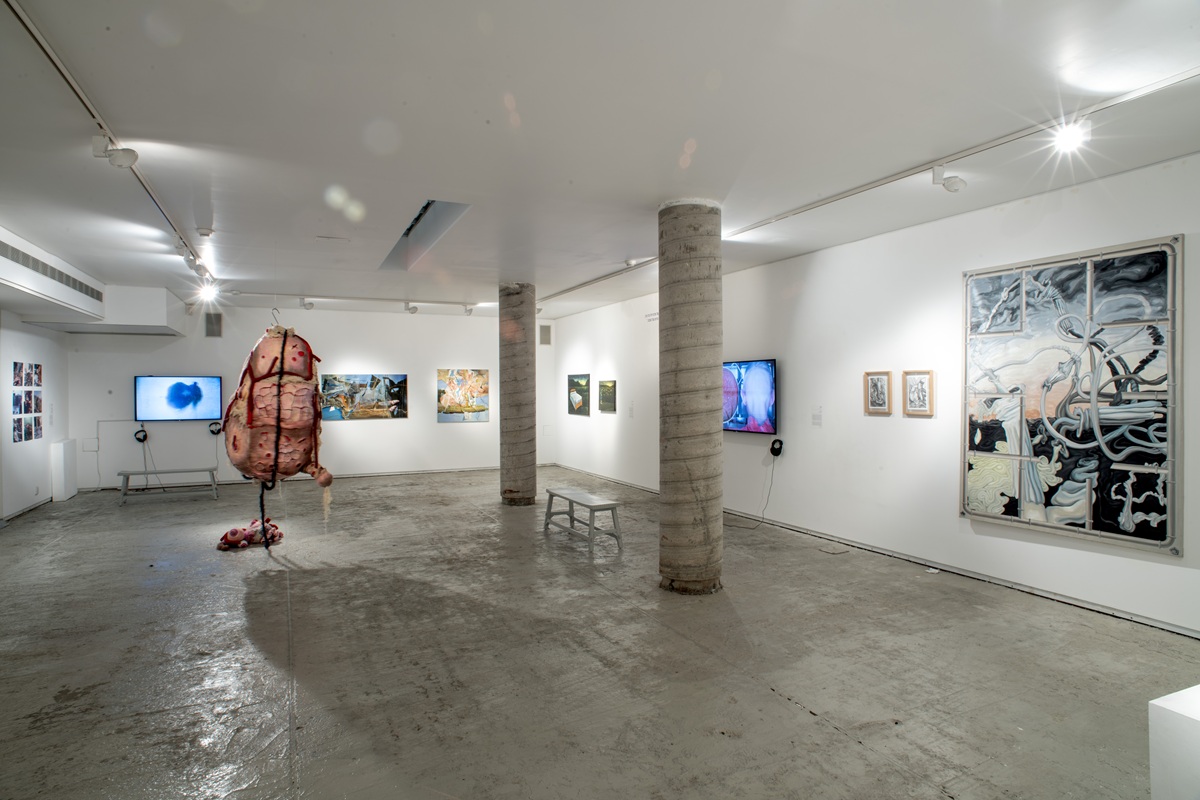
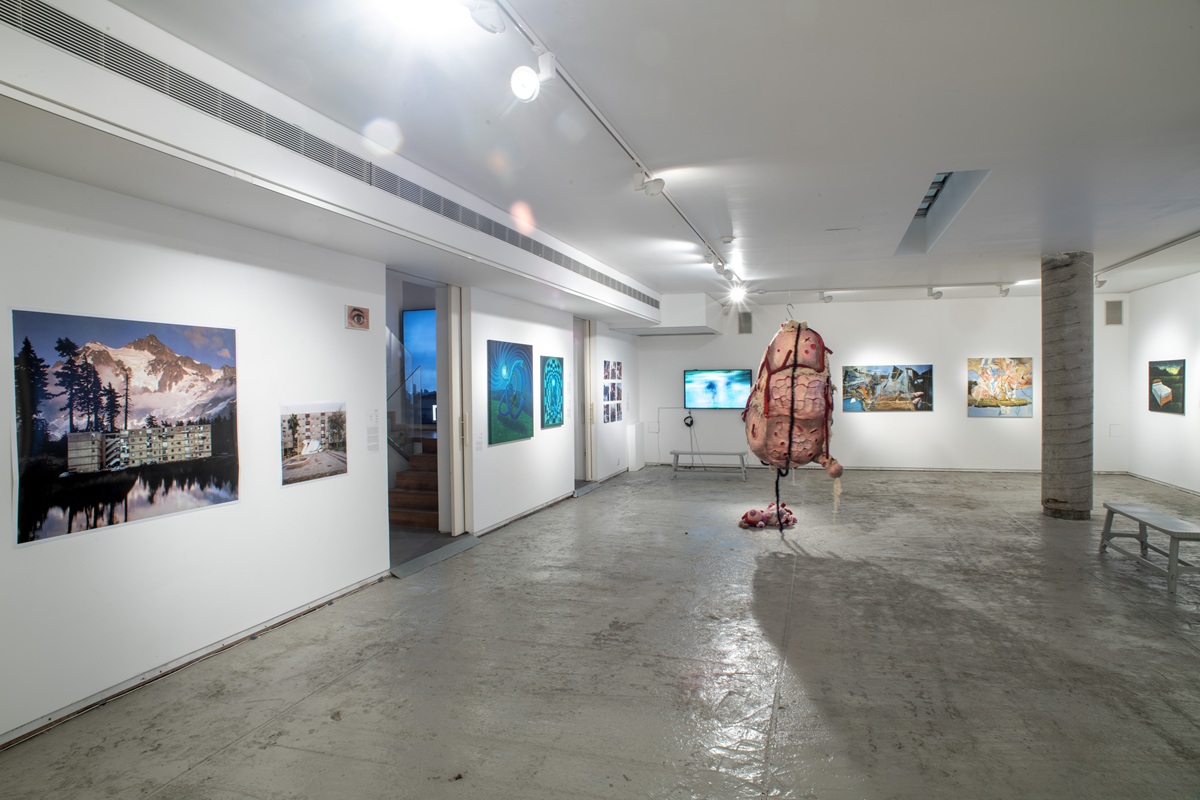
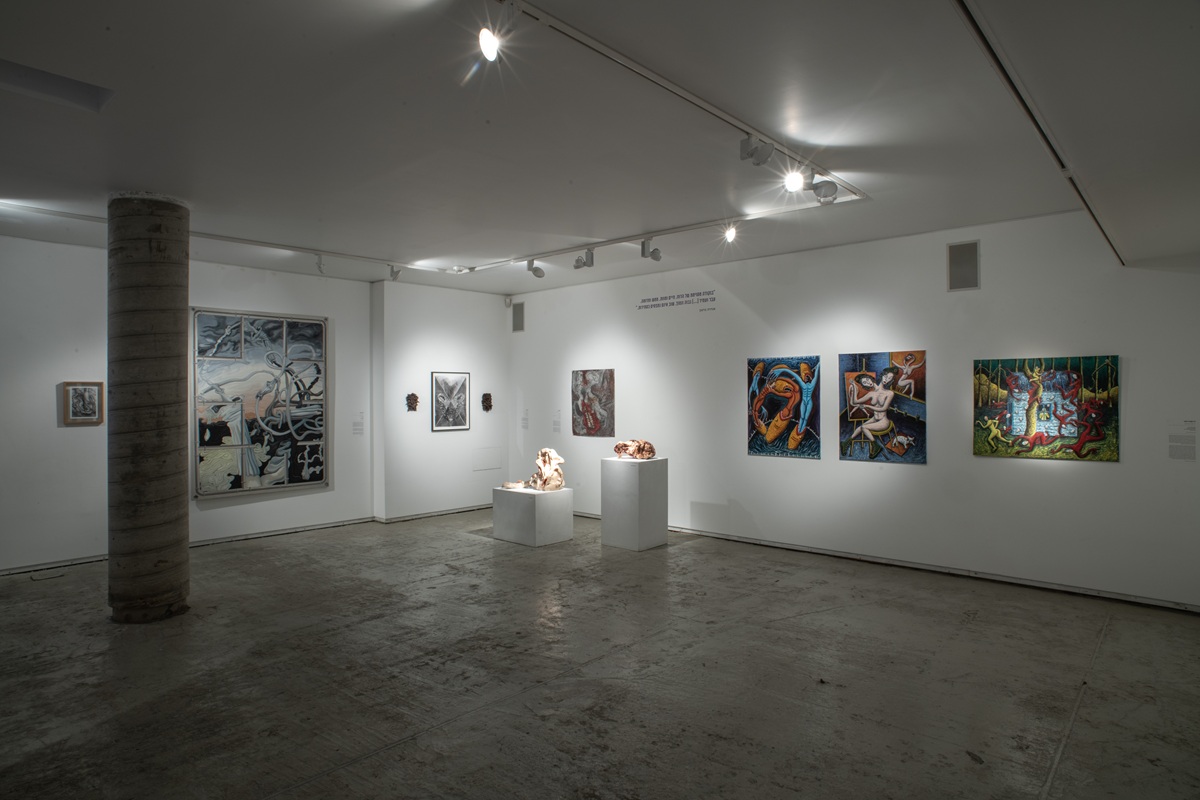
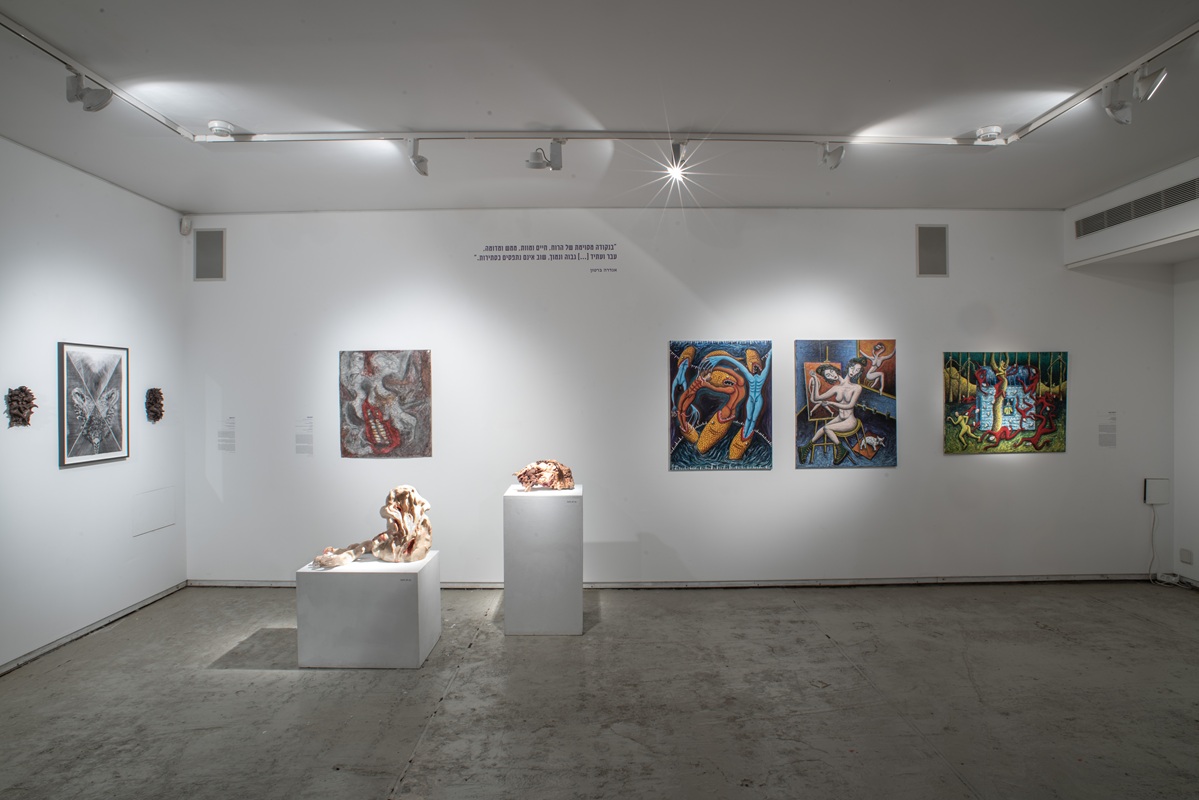
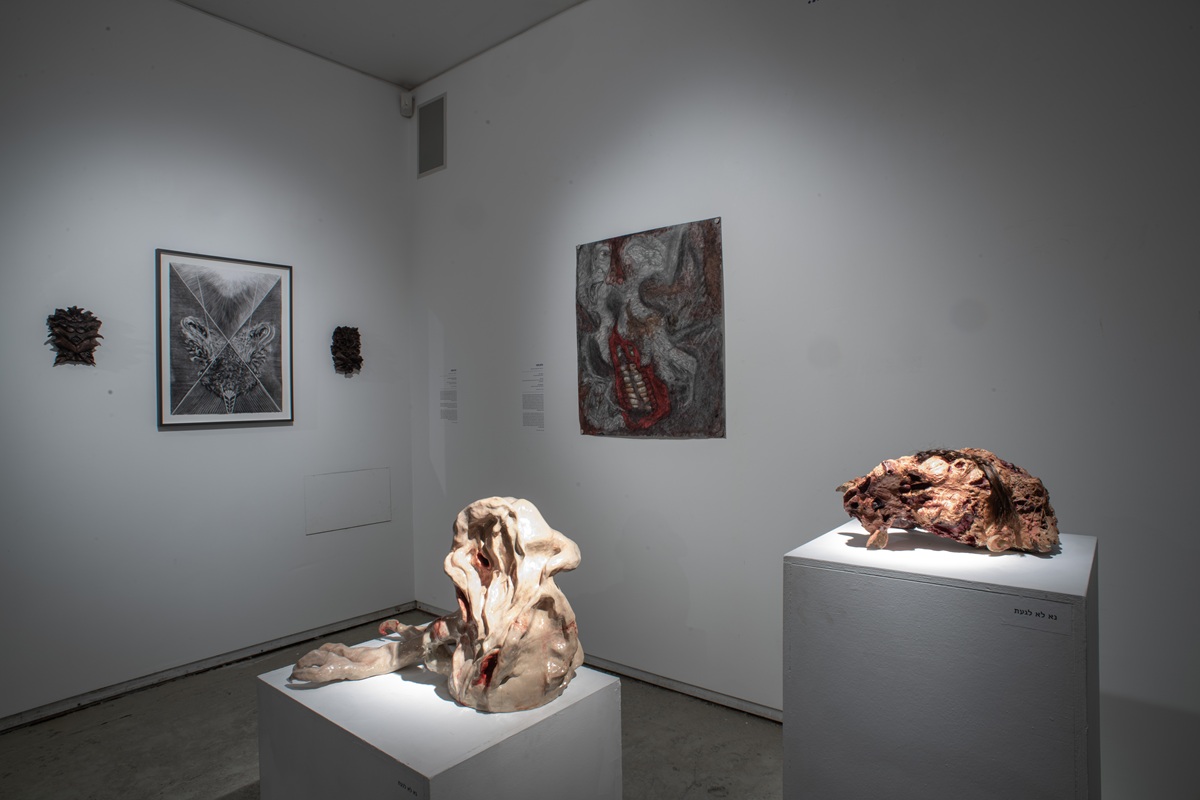
The works in the exhibition highlight several through lines: many of them show collage-like thinking both in painting and in photographic assemblage techniques. In this respect, an intriguing dialogue is created here between established artists such as Dov Or Ner, Nurit David, Drora Dominey, Meir Pichhadze, and Shosh Kormosh, and young emerging artists. Some works relate to the disrupted urban space and holy places; others refer to figures of monstrous leaders and episodes from local history. Additional works relate to hybridity, to the formal fluidity of objects and bodies, and to apocalyptic-dystopian aspects stemming from human impact on the environment. The combination of all of these raises the sense of the surreal and haunting atmosphere of our wartime reality.
Things That Never Happened is a living dialogue between past and present, an intricate web of intersecting themes and connections. Surrealist syntax allows contradictory narratives of conflict and harmony to exist simultaneously in a reality of absurdity, loss, and fracture. The freedom to embrace contradiction out of creative motives, aims at preserving our spirit as individuals and as a society, and is an act of resistance. Complete insubordination is much needed in these times, because things have indeed happened before.
Participating artists
Yakira Amant, Halil Balabin & Merav Kamel, Devi Barell, Nurit David, Drora Dominey, Shira Glazerman, Aviv Greenberg, Ben Hagari, Erez Israeli, Shosh Kormosh, Katia Lifshin, Malak Mansour, Hadar Mitz, Dov Or Ner, Meir Pichhadze, Ronit Porat, Gilad Ratman, Nil & Karin Romano, Rotem Rozenboim, Arik Vanunu, Izabella Volovnik, Hinda Weiss, Gil Yefman.
Things That Never Happened: The Return of Surrealism (mentoring project)
Forum Givon
July 10-25, 2025
The fourth graduation project of the Yona Fischer Program for Curatorial Studies and Museology of the Institute for Israeli Art of the Academic College of Tel Aviv-Jaffa, run by Idit Amichai, guided by me and Osnat Zuckerman Rechter.
In a world where reality is more surprising and threatening than our wildest nightmares, the ideas developed by the Surrealist movement a hundred years ago have become urgently relevant. The two Surrealist manifestos, written by André Breton in 1924 and 1930, were composed between two world wars. The manifestos expressed new ways of grappling with the tormenting contradictions of reality and stood against the silencing of conscience and the neglect of principles of justice. Breton and other members of the movement undermined the rules of logic. Inspired by psychoanalysis, they believed that a reality in which the realms of imagination and the unconscious are intertwined could serve as a lever for change both for the individual and for society as a whole. From a historical perspective, the achievement of the Surrealist movement lay in transforming what is “beyond reality” (surreal) into artistic artifacts, whose social and political influence was unprecedented. In recent years, extensive research exhibitions have been presented worldwide – including Surrealism Beyond Borders (New York and London, 2022), Surrealism (Paris, 2024), and Surrealism and Anti-Fascism (Munich, 2024) – addressing political aspects that hadn’t been previously highlighted, while spotlighting the movement’s relevance to our times.
In this spirit, the exhibition Things That Never Happened gives local expression to undermining voices against the reality of our lives. The Talmudic expression “la-had’am” [never was] – refers to the question of truth and reality. Its literal meaning is that things did not happen in reality. In Naomi Shemer’s popular song “Eretz La-Hadam,” “The Land of Never Was” is described as a cherished dream realm. The expression “la-had’am,” despite its negative form, also carries an opposite meaning, one of affirmation. It may refer to things that happened in reality, yet an ethical stance is taken, similar to the phrase “there are no such things,” which points to the uniqueness of the matter, or “there’s nothing, because there was nothing,” which decodes as denial and obfuscation of truth. The exhibition’s title reflects the irrationality and systemic breakdown.
Surrealist syntax is based on illogical connections, linking together things that do not reconcile with each other – arbitrary and surprising fusions between reality and imagination. Even today, when Photoshop practices and artificial intelligence worlds have become routine, surrealist syntax principles, when placed in an artist’s hands, succeed in revealing hidden connections and illuminate new angles of existence under conditions of absurdity.
The works in the exhibition highlight several through lines: many of them show collage-like thinking both in painting and in photographic assemblage techniques. In this respect, an intriguing dialogue is created here between established artists such as Dov Or Ner, Nurit David, Drora Dominey, Meir Pichhadze, and Shosh Kormosh, and young emerging artists. Some works relate to the disrupted urban space and holy places; others refer to figures of monstrous leaders and episodes from local history. Additional works relate to hybridity, to the formal fluidity of objects and bodies, and to apocalyptic-dystopian aspects stemming from human impact on the environment. The combination of all of these raises the sense of the surreal and haunting atmosphere of our wartime reality.
Things That Never Happened is a living dialogue between past and present, an intricate web of intersecting themes and connections. Surrealist syntax allows contradictory narratives of conflict and harmony to exist simultaneously in a reality of absurdity, loss, and fracture. The freedom to embrace contradiction out of creative motives, aims at preserving our spirit as individuals and as a society, and is an act of resistance. Complete insubordination is much needed in these times, because things have indeed happened before.
Participating artists
Yakira Amant, Halil Balabin & Merav Kamel, Devi Barell, Nurit David, Drora Dominey, Shira Glazerman, Aviv Greenberg, Ben Hagari, Erez Israeli, Shosh Kormosh, Katia Lifshin, Malak Mansour, Hadar Mitz, Dov Or Ner, Meir Pichhadze, Ronit Porat, Gilad Ratman, Nil & Karin Romano, Rotem Rozenboim, Arik Vanunu, Izabella Volovnik, Hinda Weiss, Gil Yefman.
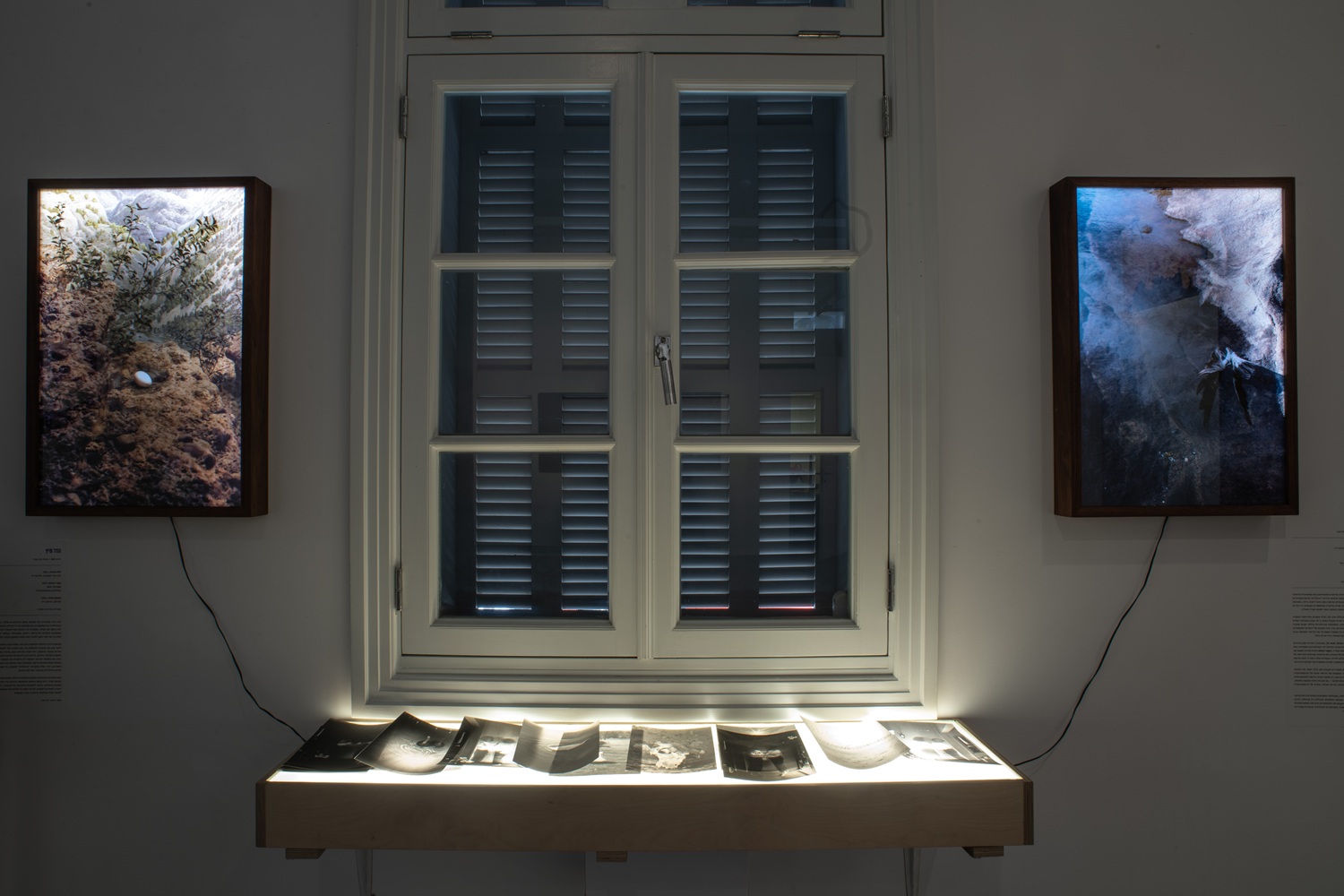
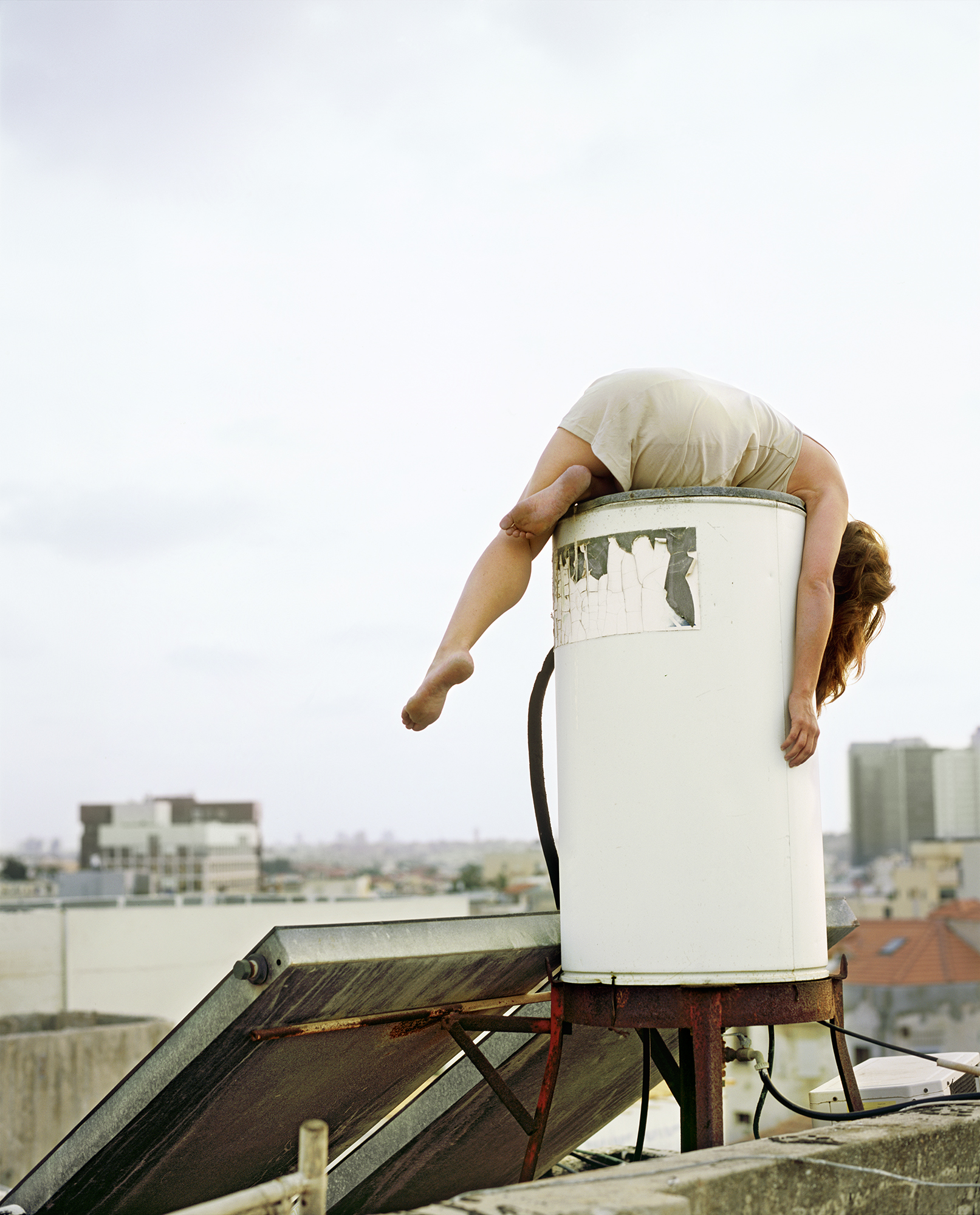
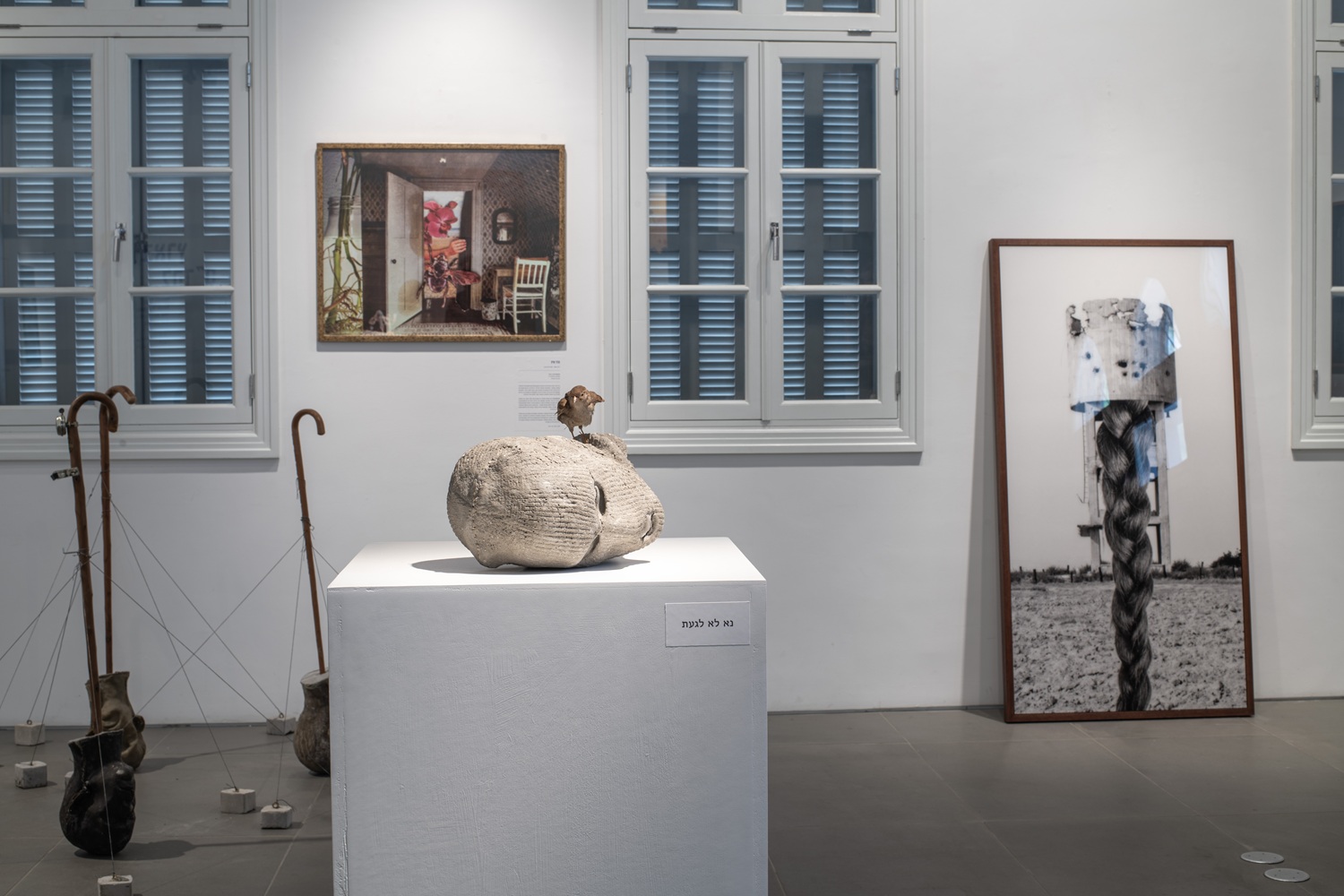
Halil Balabin & Merav Kamel, photo by Yuval Chen